A siding proposal can look solid on paper and still lead to problems a year later. The difference usually comes down to the company behind the quote - not just the material, color, or price. If you are figuring out how to choose local siding company options in the Chicago suburbs, the smartest move is to look past the sales pitch and focus on proof.
Siding is not a cosmetic add-on. It is part of your home's weather barrier, energy performance, curb appeal, and long-term value. In Illinois, where siding has to handle wind, moisture, heat, freezing temperatures, and storm exposure, installer quality matters just as much as product quality.
How to Choose Local Siding Company Without Guesswork
The right siding contractor should make your decision easier, not more confusing. You should get clear answers, a defined process, and confidence that the crew knows how to install the system correctly for your home and local conditions.
Start with local experience. A contractor working in the Chicago suburban market should understand how freeze-thaw cycles, wind-driven rain, hail, and summer heat affect siding performance. A company that installs in your area regularly is more likely to recommend the right products, flashing details, trim methods, and ventilation considerations for this climate.
That local knowledge also matters after the install. If there is a warranty question, service issue, or storm event down the road, you want a company that is still operating nearby and can respond. A low quote from a contractor with no real local footprint can become expensive fast.
Look for Credentials That Mean Something
Not all credentials carry the same weight. A business license and insurance are basic requirements, not premium qualifications. You should ask whether the company is certified by major manufacturers and whether its installers follow product-specific standards.
For example, fiber cement, engineered wood, insulated vinyl, and composite siding all come with different installation requirements. A contractor that is trained and recognized by leading manufacturers is usually held to higher standards for workmanship, documentation, and warranty compliance. That reduces your risk.
Insurance is equally important. Confirm that the company carries both liability coverage and workers' compensation. If something goes wrong on your property, this is not the place to assume everything is covered. A reputable contractor should be comfortable providing documentation.
Reviews Matter, but Patterns Matter More
Homeowners often make the mistake of reading only the star rating. A better approach is to read for consistency. Do reviews mention communication, cleanliness, follow-through, scheduling, and problem resolution? Do customers talk about the siding crew being professional and respectful? Do they mention warranty support after the project was complete?
A few great reviews are not enough. You want to see a pattern across a meaningful number of projects. It also helps to look for comments that sound like your own situation - older homes, storm damage, full exterior remodels, or projects with trim, soffit, fascia, and gutters included.
If a company has a strong reputation but every review sounds vague, ask for project photos or references. A reliable contractor should be able to show completed work and speak clearly about similar jobs.
Ask What Is Included in the Quote
This is where many siding projects go off track. Two estimates can look close in price while covering very different scopes of work. One may include tear-off, moisture barrier improvements, trim replacement, disposal, and warranty support. The other may only cover basic panel installation.
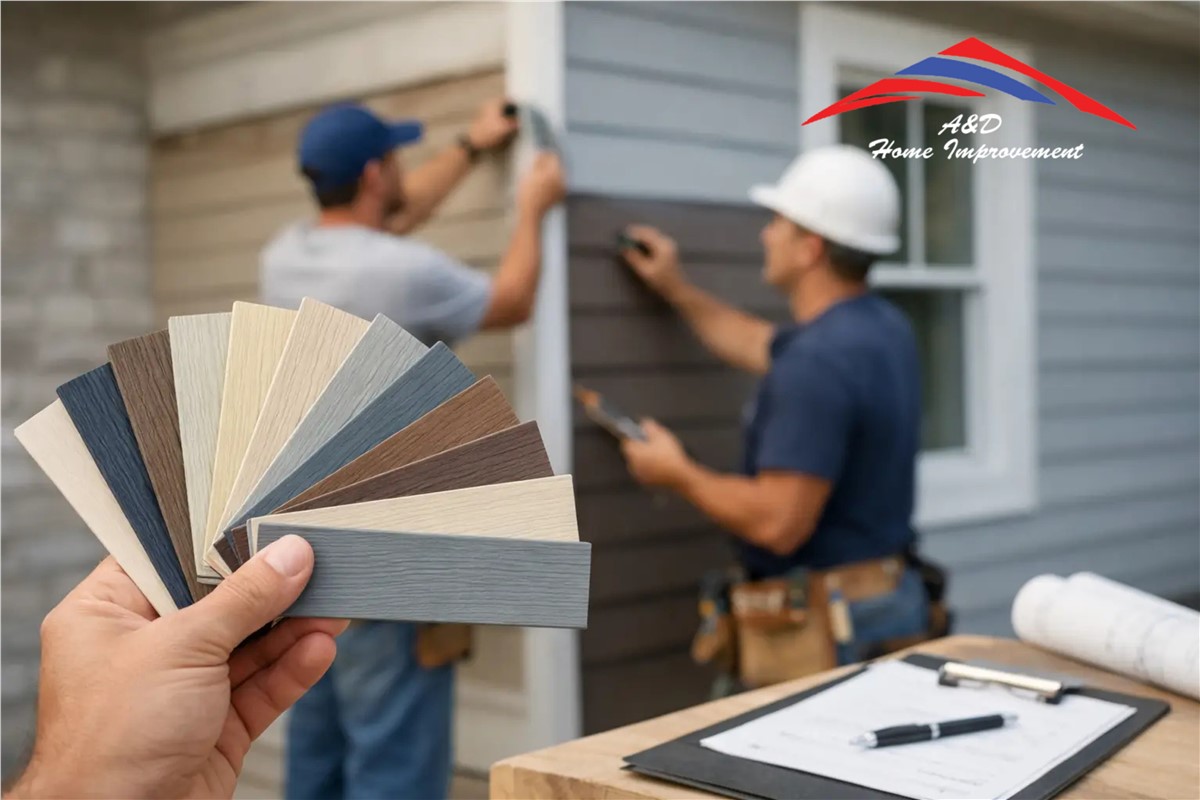
A detailed quote should explain the siding product line, trim materials, insulation options if applicable, house wrap or weather barrier details, removal of existing siding, repair allowances for damaged substrate, and cleanup. It should also spell out who is responsible for permits if they are needed.
If the estimate is vague, that is a warning sign. Clear documentation usually reflects a clearer process. It also makes it easier to compare contractors fairly.
Don’t Choose on Price Alone
Everyone wants value, and budget matters. But siding is one of those projects where the cheapest bid can create the biggest long-term cost. Lower pricing sometimes comes from cutting corners on prep work, undertrained labor, lower-grade accessories, or rushed installation.
That does not mean the highest quote is automatically the best one either. Sometimes you are paying for overhead rather than better results. The goal is to understand what you are getting for the price.
A strong siding company should be able to explain why its proposal costs what it does. That may include better product warranties, certified installation, upgraded moisture protection, more experienced crews, or financing options that make a higher-quality project manageable. When a contractor can connect price to performance, that is a good sign.
Pay Attention to the Inspection Process
A professional siding company should inspect more than what you can see from the driveway. It should look at problem areas around windows, doors, corners, rooflines, and lower wall sections where moisture tends to show up.
This first visit tells you a lot. If the salesperson rushes through measurements and jumps straight to a quote, you may not get a thorough project plan. A better approach is when the company asks questions about drafts, previous leaks, storm damage, maintenance concerns, and long-term goals.
That level of detail often leads to better recommendations. Maybe your home needs upgraded house wrap. Maybe trim boards are failing and should be replaced at the same time. Maybe your siding issue is partly tied to gutter overflow or poor flashing. Good contractors look at the full exterior system, not just the panels.
Warranties Should Be Clear and Specific
A siding investment should come with two layers of protection - manufacturer warranty coverage on the product and a workmanship warranty from the installer. Both matter.
Ask how warranty claims are handled and who your point of contact would be if there is an issue. A strong company should explain the terms in plain language. If the answers feel vague or overly sales-focused, keep looking.
It is also worth asking what can void the warranty. Improper installation, unapproved modifications, or skipped maintenance steps can create problems later. A dependable contractor will walk you through the details before work begins, not after something fails.
How to Compare Local Siding Companies Fairly
When you are deciding how to choose local siding company candidates, compare them in the same categories. Look at experience in your area, manufacturer certifications, scope of work, warranty terms, project timeline, financing availability, and communication quality.
Then consider how each company handles trust. Do they show proof of insurance? Do they have before-and-after photos? Can they explain installation methods in a way that makes sense? Are they responsive when you ask follow-up questions?
This part matters because siding projects are not only technical. They are also service-based. You are trusting a company with your home, schedule, investment, and peace of mind. Professionalism should show up from the first call onward.
Watch for These Red Flags
Some warning signs are easy to miss when you are focused on getting the project moving. Be cautious if a contractor uses pressure tactics, gives a price without a real inspection, avoids written details, or asks for unusually large upfront payments.
You should also be careful with companies that cannot explain the difference between product lines or seem to push one option without discussing your home's needs. The best recommendation is not always the most expensive material. It depends on your budget, maintenance preferences, design goals, and how long you plan to stay in the property.
Another red flag is poor coordination with related exterior components. Siding affects trim, soffit, fascia, gutters, windows, and weather sealing. If the contractor treats these as separate issues with no connection, the finished result may not perform as well as it should.
Choose a Partner, Not Just an Installer
The best siding companies do more than install materials. They help you make a sound decision, set expectations clearly, and protect your property from avoidable problems. That is especially important in a market like the Chicago suburbs, where your exterior has to stand up to real weather, not just look good on day one.
A company such as A&D Home Improvement stands out when it combines local experience, recognized certifications, strong workmanship standards, and clear warranty support. That kind of structure gives property owners what they actually want - less risk, better performance, and confidence that the job is being done right.
If you are comparing contractors now, trust the company that gives you the most clarity, not just the fastest quote. The right siding partner should leave you feeling informed, respected, and confident before the first panel is ever installed.
Subscribe to A&D Home Improvement's Blog