Choosing replacement windows gets expensive fast when every product line looks good in a showroom. A smart pella replacement windows comparison helps narrow the decision to what actually matters for a Chicago-area home - energy performance, durability, appearance, maintenance, and whether the upgrade fits your budget for the long run.
Pella has built a strong reputation because it offers multiple window families instead of forcing every homeowner into one price point. That range is a benefit, but it also creates confusion. If you are comparing Pella replacement windows, the real question is not which line is best on paper. It is which line makes the most sense for your home, your goals, and the weather conditions your windows will face year after year in Illinois.
Pella replacement windows comparison by material
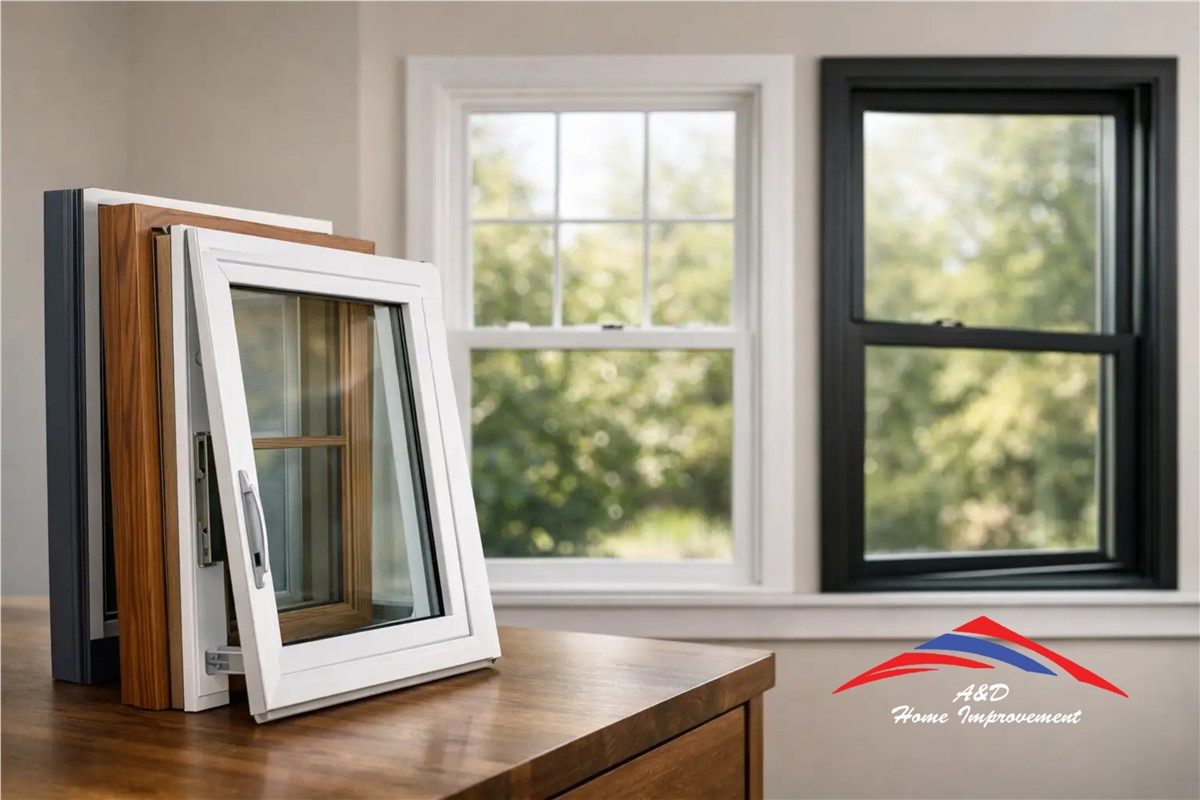
The biggest divider between Pella product lines is material. That affects cost, insulation, maintenance, and the overall look of the home.
Pella vinyl windows are usually the starting point for budget-conscious homeowners who still want solid energy performance. Vinyl is low maintenance, does not need repainting, and handles moisture well. For many families replacing older drafty windows, vinyl offers the clearest jump in comfort and efficiency without pushing the project into luxury pricing. The trade-off is that vinyl does not deliver the same high-end interior look as real wood, and color choices may be more limited depending on the line.
Fiberglass and composite-style options appeal to homeowners who want more strength and a more refined finish than standard vinyl. These products tend to hold up well through temperature swings, which matters in the Chicago suburbs where freezing winters and humid summers put constant stress on exterior materials. They often hit a strong middle ground - better performance and design flexibility than entry-level products, but not always as expensive or maintenance-heavy as wood.
Pella wood windows are typically the premium choice. They offer the richest appearance, especially for homes where interior trim and architectural detail matter. Wood can be an excellent fit for higher-end homes, historic-style properties, or homeowners focused on interior warmth and resale appeal. The trade-off is price and upkeep. Exterior cladding helps reduce maintenance, but wood windows still require more careful planning than vinyl if you want long-term value.
Comparing Pella window lines
A useful Pella replacement windows comparison should focus less on marketing labels and more on what each line is designed to do.
Pella's vinyl collections are often chosen for practical upgrades. If your current windows are drafty, difficult to open, or showing signs of seal failure, vinyl replacement windows can solve those problems with a relatively manageable investment. They are well suited for homeowners who want dependable performance, simple maintenance, and improved comfort without overbuilding for the home.
Pella's fiberglass or performance-focused lines tend to work well for homeowners who want a stronger frame, slimmer profiles in some configurations, and a more elevated appearance. These windows can be especially attractive for larger openings where durability matters. If your project includes picture windows, wide casements, or areas exposed to strong wind and weather, moving into a stronger frame material may be worth the added cost.
Pella's wood lines make sense when design is a major priority. In homes where the windows are a visible part of the interior finish, wood often looks more natural and substantial than manufactured alternatives. That said, not every home needs premium wood windows. In many suburban replacement projects, the better decision is the one that balances appearance with practical maintenance and budget discipline.
What matters most for Illinois weather
In this market, window selection is not just about looks. It is about performance through cold winters, summer heat, wind-driven rain, and seasonal storms.
Glass packages matter as much as the frame. A quality low-E glass package with insulating gas can make a noticeable difference in room comfort, especially in older homes with poor window performance. If parts of your home feel cold near the glass in winter or too warm in direct summer sun, the right glazing option may matter more than upgrading to the most expensive frame.
Air infiltration is another factor homeowners often miss. A window can look great and still allow too much outside air to affect indoor comfort. Proper installation plays a major role here. Even a premium replacement window will underperform if the opening is not measured correctly, insulated correctly, and sealed to today’s standards.
For Chicago-area homes, durability against moisture is also important. Freeze-thaw cycles can expose weak points around frames, trim, and sealants. That is why product selection and installation quality should be evaluated together, not as separate decisions.
Style comparison: double-hung, casement, picture, and more
Window style changes how the home looks, but it also changes ventilation, cleaning, and efficiency.
Double-hung windows remain one of the most common choices in suburban homes because they fit traditional architecture and are familiar to most homeowners. They are practical, versatile, and easy to coordinate across a full-home replacement project. If you want a classic appearance and straightforward function, double-hung windows are often the safe choice.
Casement windows usually offer a tighter seal when closed, which can be a real advantage for energy-conscious homeowners. They also provide excellent ventilation because the sash opens outward. In kitchens, bathrooms, and hard-to-reach areas, casements can be especially functional. The trade-off is that they create a different exterior look and may not suit every elevation.
Picture windows are ideal where light and views matter more than ventilation. Since they do not open, they can be highly efficient and visually clean. Many homeowners combine picture windows with casements or double-hung units to balance view, airflow, and budget.
Sliding and specialty shape windows can also be part of the conversation, especially in contemporary homes or rooms with unique design needs. The key is to compare styles based on how the room is actually used, not just what looks good in a brochure.
Cost differences and where the value is
Most homeowners start with price, even if they do not say it that way. The better approach is to think in terms of total value.
Vinyl Pella replacement windows generally offer the lowest entry price. For many homes, that is the right decision. If the goal is to eliminate drafts, lower maintenance, improve curb appeal, and keep the project affordable, vinyl often delivers strong value.
Mid-tier and premium lines cost more because the materials, finish options, hardware, and design details are upgraded. In some cases, the performance gains justify the jump. In others, the extra cost is mostly aesthetic. That is where an honest comparison matters. Spending more only makes sense if you truly value what the upgrade adds.
Wood windows sit at the higher end and are usually chosen for architectural reasons as much as performance. If you are restoring a distinctive home or upgrading a property where interior finish quality is a major priority, they may be worth the investment. If your main goals are efficiency and low maintenance, another line may serve you better for less.
Installation can change the outcome
A Pella replacement windows comparison is incomplete without talking about installation. Homeowners often focus on product ratings and overlook the fact that field performance depends heavily on how the windows are installed.
A quality installer will evaluate frame condition, moisture issues, insulation gaps, trim details, and fit. They will also help match the right Pella line to the home's age, style, and exposure. That matters in older Chicago suburban homes where openings may be out of square or where previous replacement work was done poorly.
This is where working with a certified, experienced contractor adds real value. A premium window with poor installation can lead to drafts, water intrusion, difficult operation, and reduced energy performance. A well-installed window, even in a more budget-friendly line, often performs better over time than homeowners expect.
Which Pella replacement window is right for your home?
If you want practical performance and easier upkeep, vinyl is often the strongest fit. If you want more strength, a refined look, and upgraded performance, fiberglass or higher-tier lines deserve a closer look. If your home calls for premium architectural detail, wood may be the right answer.
The best choice depends on your house, your priorities, and how long you plan to stay in the home. For homeowners in the Chicago suburbs, the smartest path is to compare materials, glass packages, and style options with local climate and installation quality in mind. A&D Home Improvement helps homeowners make that decision with a straightforward process, certified product expertise, and replacement recommendations built around long-term performance - not guesswork.
When the right window is matched to the right home, you notice it every day in quieter rooms, steadier temperatures, and a home that simply feels tighter, cleaner, and more finished.
Subscribe to A&D Home Improvement's Blog