A ridge of ice hanging at the roof edge might look harmless after a Chicago snowfall, but it can force water back under shingles, soak insulation, stain ceilings, and damage gutters fast. If you are wondering how to prevent ice dams, the real answer starts inside the house as much as it does on the roof.
Why ice dams form in the first place
Ice dams happen when heat escapes through the attic and warms the roof deck unevenly. Snow higher up on the roof begins to melt, then that water runs down to the colder eaves and refreezes. Over time, the ice builds into a barrier. Once that barrier forms, new meltwater has nowhere to go except backward under roofing materials.
In the Chicago suburbs, this problem is especially common after heavy snow followed by sunny days and freezing nights. Homes with older insulation, poor attic airflow, clogged gutters, or inconsistent roof performance are more likely to see repeat issues. That is why stopping ice dams is rarely about one quick fix. It usually takes a system-wide approach.
How to prevent ice dams before winter starts
The most effective strategy is to keep the roof surface as close to the outdoor temperature as possible. That reduces melting at the upper roof and limits refreezing at the edges.
Start with attic insulation
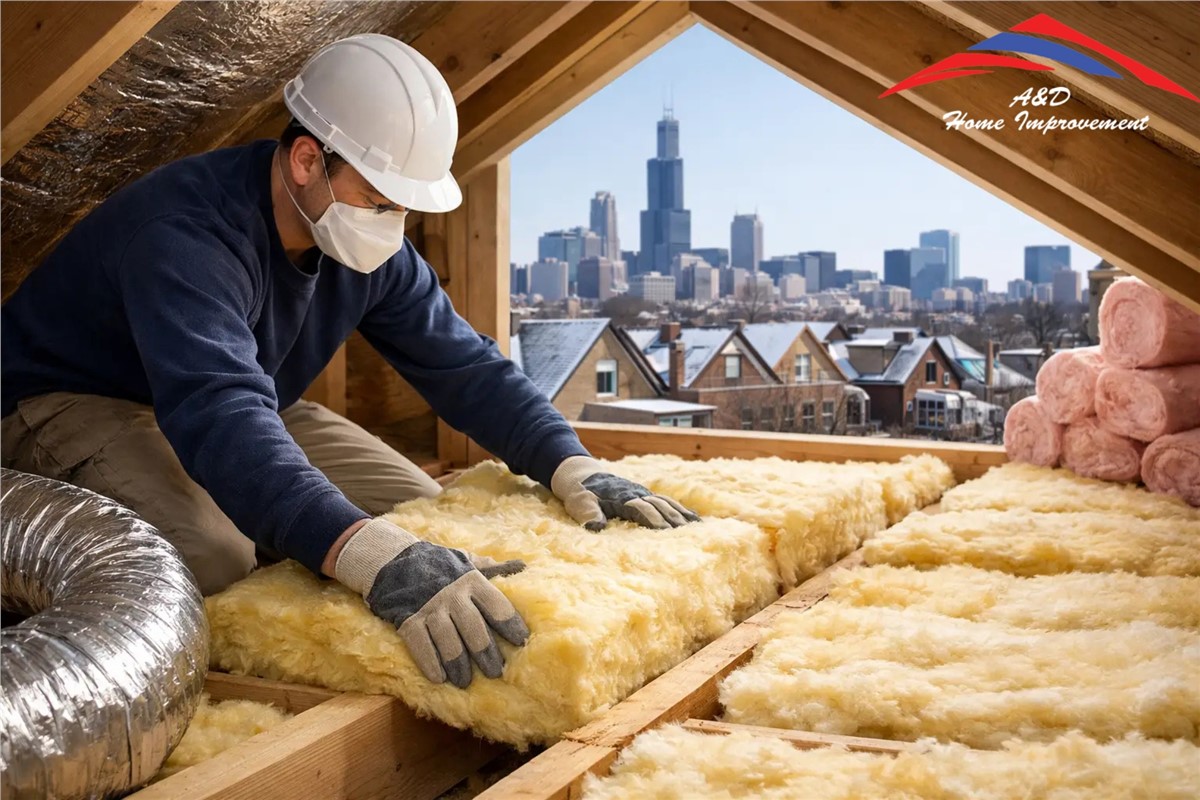
Attic insulation is one of the biggest factors in preventing ice dams. If warm air from the living space rises into the attic, it heats the underside of the roof. Upgrading insulation helps hold heat where it belongs - inside your home, not under your shingles.
The right insulation level depends on the age of the house, attic layout, and existing materials. Some homes need added blown-in insulation. Others have insulation, but it is uneven, compressed, or missing in key areas near eaves and wall lines. A professional inspection can tell you whether the issue is low insulation value or poor coverage.
Seal air leaks before adding more insulation
More insulation helps, but air sealing matters just as much. Warm air often escapes through gaps around light fixtures, attic hatches, plumbing penetrations, exhaust chases, and wiring openings. Those hidden leaks create hot spots on the roof deck.
If you skip air sealing and only add insulation, you may improve efficiency without fully solving the ice dam problem. In many homes, the best results come from doing both together.
Make sure attic ventilation is balanced
Proper attic ventilation helps move cold outdoor air through the attic space and reduce temperature swings along the roof deck. Intake vents at the soffits and exhaust vents near the ridge need to work together. If one part of that system is blocked or undersized, ventilation performance drops.
This is where many older homes run into trouble. Insulation may be packed too tightly at the eaves, cutting off soffit airflow. In other cases, homeowners add roof vents over the years without a clear ventilation plan. More vents do not always mean better results. What matters is balance, placement, and whether the system matches the roof design.
Roof and gutter conditions also matter
Homeowners often ask how to prevent ice dams by focusing on shingles alone, but drainage plays a major role too. Even if attic conditions improve, the roof edge still needs to shed melting snow effectively.
Keep gutters clear and secure
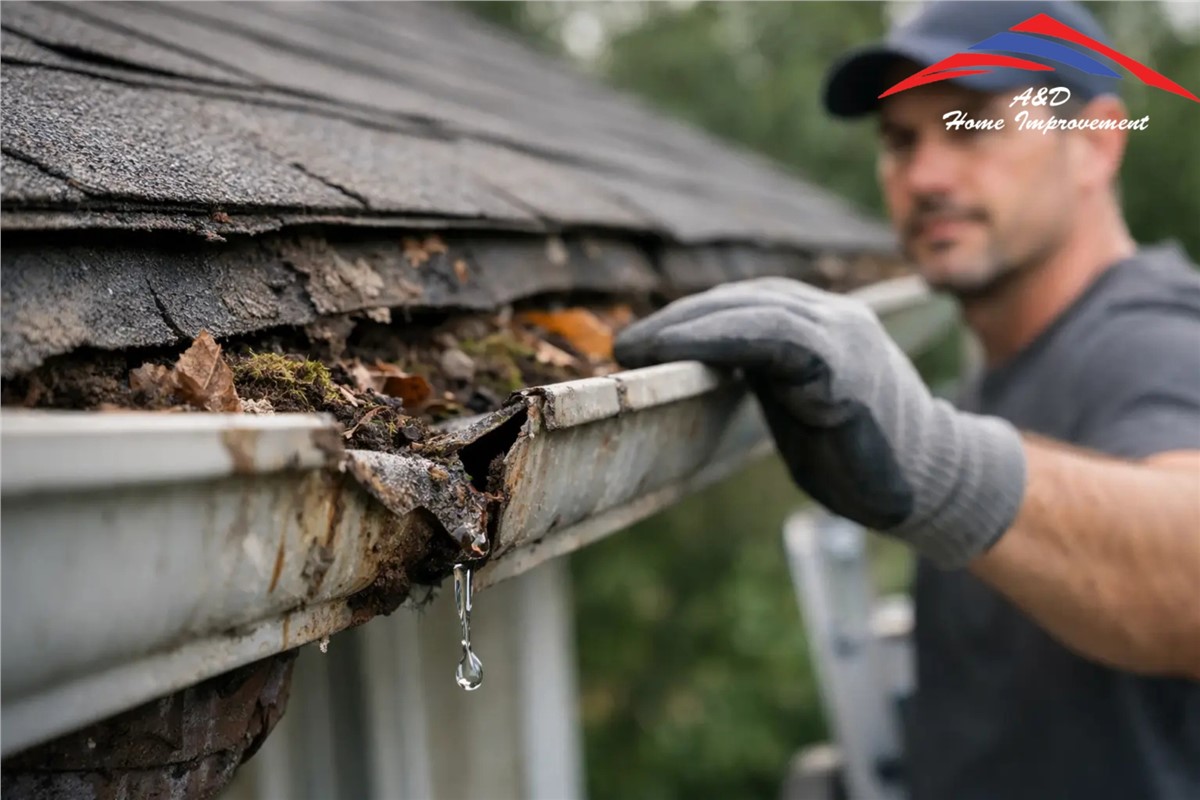
Clogged gutters make it easier for ice to build up along the eaves. Leaves, granules, and debris trap water where it should be draining. Once freezing begins, that blockage can create a thicker ice line and add weight to the gutter system.
Before winter, gutters should be cleaned, checked for proper pitch, and inspected for loose fasteners or sagging sections. Seamless gutter systems and well-fitted gutter guards can reduce buildup, but they are not a substitute for sound drainage design.
Check for roof problem areas
An aging roof is more vulnerable when ice dams form. Loose shingles, worn flashing, soft decking, and exposed fasteners give water more opportunities to get inside. If your roof already has weak points, an ice dam can turn a manageable issue into interior damage.
Homes that have gone through multiple freeze-thaw seasons may also have underlayment limitations by modern standards. If a roof replacement is already on the horizon, it makes sense to ask about ice-and-water barrier protection at eaves, valleys, and other vulnerable areas. That layer does not stop ice dams from forming, but it does add a critical line of defense if water backs up.
Snow removal can help, but it is not the full solution
After a major snowfall, removing roof-edge snow with a roof rake can reduce the chance of buildup. This can be useful on homes with a history of ice dams, especially during prolonged cold stretches.
Still, snow removal has limits. It only addresses the snow currently on the roof, and it does not fix the heat loss causing the melt pattern. It also needs to be done carefully to avoid damaging shingles, gutters, or landscaping below. For steep roofs or multi-story homes, it is safer to leave this work to trained professionals.
Warning signs you may already have an ice dam problem
Sometimes homeowners do not notice the issue until damage has started. Icicles alone are not proof of an ice dam, but they are often a warning sign when paired with other symptoms.
Watch for thick ice along roof edges, water stains on ceilings or exterior walls, damp attic insulation, peeling paint near the top of interior walls, or gutters pulling away from the fascia. If one section of roof consistently melts faster than another, that can also point to attic heat loss.
These problems should not be ignored. Water intrusion during winter can lead to insulation damage, mold growth, wood rot, and expensive repairs that go well beyond the roofing system.
How to prevent ice dams in older Chicago-area homes
Older homes across the Chicago suburbs often have a mix of insulation upgrades, original framing details, and ventilation setups that were not designed for current performance expectations. That does not mean the problem is impossible to solve. It just means the solution may need to be more targeted.
In some homes, the priority is attic air sealing and insulation. In others, soffit ventilation is restricted by the way the roof was built. Some homes need gutter improvements, while others are really dealing with an aging roof assembly that no longer provides dependable winter protection.
That is why a one-size-fits-all recommendation can miss the mark. The right plan depends on how your home handles heat, moisture, airflow, and drainage together.
When it is time to bring in a professional
If you have had recurring ice dams, winter leaks, or heavy icicle buildup for more than one season, it is worth having the roof, attic, and gutter system evaluated as a whole. A professional inspection can identify whether the main driver is heat loss, poor ventilation, drainage trouble, roofing wear, or a combination of issues.
This is also the smarter path if you are already considering a roof replacement, attic insulation upgrade, or gutter replacement. Coordinating those improvements can save money over time and deliver better protection than tackling each issue separately.
For homeowners who want long-term performance, not temporary patchwork, working with an experienced exterior contractor matters. A company like A&D Home Improvement understands how Illinois winters affect roofing systems and how insulation, ventilation, gutters, and roof installation details all work together.
The best prevention is a complete exterior strategy
The most reliable way to prevent ice dams is to treat your home as a connected system. A cold, well-ventilated attic, strong insulation, proper air sealing, dependable roofing materials, and effective drainage all support each other. If one part is weak, winter tends to find it.
That may mean your next step is simple maintenance, or it may mean investing in upgrades that protect the home for years. Either way, addressing the cause early is almost always less expensive than repairing the damage after water gets inside.
A harsh winter does not have to put your roof at risk. With the right improvements in place, your home can stay better protected, more energy efficient, and far less likely to deal with ice dam damage when the next storm rolls through.
Subscribe to A&D Home Improvement's Blog