If water is spilling over your gutters, pooling near the foundation, or carving channels through your landscaping, the question is not whether to fix it. It is how much the fix will cost and whether it will last. For many homeowners, seamless gutter installation cost becomes a priority once drainage problems start showing up in siding, soffits, fascia, or basement moisture.
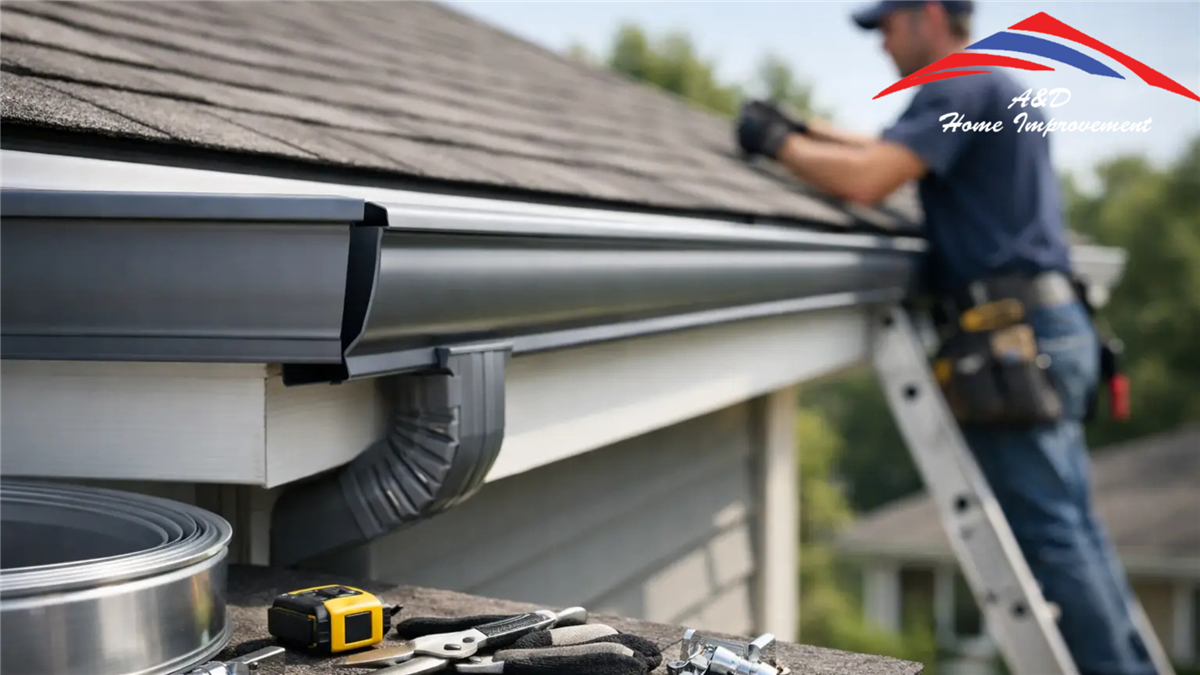
Seamless gutters are popular for a reason. They are custom-formed on site to fit the home, which reduces the number of joints where leaks tend to develop. That cleaner fit also improves curb appeal. In a climate like the Chicago suburbs, where heavy rain, snowmelt, ice, and wind all put stress on exterior systems, that performance difference matters.
What affects seamless gutter installation cost?
The biggest factor is the size and layout of the home. A simple ranch with straight rooflines is faster and more affordable to outfit than a two-story home with multiple gables, valleys, dormers, and long runs that require more downspouts. Labor time, material usage, and setup complexity all increase when the roofline gets more detailed.
Material choice also changes the price. Aluminum is the most common option because it offers a strong balance of durability, corrosion resistance, color availability, and value. Steel can be tougher, but it usually costs more and may require additional maintenance depending on the finish. Copper delivers a premium look and long lifespan, but it sits in a very different price category than standard aluminum systems.
Gutter size matters too. Many homes use 5-inch gutters, but some properties benefit from 6-inch systems, especially when the roof handles heavy runoff or steep pitches. A larger gutter and matching downspouts cost more up front, yet they can be the better long-term choice when drainage demand is high.
Then there is access. A one-story home is generally less expensive than a taller property that needs more ladder work, safety setup, and time. If landscaping, fencing, decks, or tight lot lines make installation harder, labor costs can rise. The same is true if existing gutters, fascia repairs, or wood replacement are part of the job.
Typical seamless gutter installation cost ranges
For most homes, seamless gutter installation cost is usually priced by the linear foot, with the final number shaped by material, size, and installation conditions. In many cases, aluminum seamless gutters land in a practical middle range that works for both budget-conscious and long-term focused homeowners.
A smaller home with straightforward lines may come in at the lower end of the spectrum. A larger two-story home with upgraded gutter size, more corners, and additional downspouts will naturally cost more. If gutter guards are added at the same time, the overall project total goes up, but that can reduce ongoing maintenance and improve water flow through leaf-heavy seasons.
Homeowners are often surprised that the lowest quote is not always the best value. One contractor may price only the gutter runs, while another includes proper pitch adjustment, oversized downspouts, stronger hidden hangers, color matching, haul-away, and warranty coverage. Those differences matter because gutters only work when the whole system is designed correctly.
Why installation quality changes the real value
Gutters look simple from the ground, but poor installation shows up fast. Incorrect pitch can leave standing water in the troughs. Too few hangers can lead to sagging. Bad downspout placement can dump water right where you do not want it, near walkways, foundations, or planting beds.
That is why cost should be measured against performance, not just the invoice total. A properly installed system protects the roof edge, siding, fascia, soffits, foundation, and hardscaping. It helps control erosion and keeps water moving away from the structure during intense storms and spring thaw.
For homes in Illinois, weather exposure raises the stakes. Freeze-thaw cycles, heavy rain, and seasonal debris can punish weak gutter systems. Paying for better fastening methods, stronger materials, and experienced installation can save money compared with repeated repairs and water damage restoration later.
Add-ons that raise or lower long-term cost
Some upgrades increase the project price immediately but make sense over time. Gutter guards are the clearest example. They are not right for every home, but for properties with nearby trees, they can reduce clogs, lower cleaning frequency, and help the gutter system perform more consistently.
Downspout extensions are another detail worth discussing. They are not the most expensive part of the project, yet they can make a major difference in where water ends up. If runoff is currently collecting near the foundation, this small upgrade may prevent bigger problems.
Color matching can affect pricing slightly depending on the product line, but many homeowners see it as worthwhile because gutters are highly visible along the roofline. A system that blends with trim, soffit, or siding tends to look more intentional and adds to the finished appearance of the home.
On the other hand, trying to cut cost by undersizing the system or skipping needed downspouts can backfire. A cheaper layout that cannot handle roof runoff is not really a savings.
Repair vs. replacement: when new gutters make more sense
Sometimes homeowners start by asking for a repair because it feels like the lower-cost option. In some cases, that is true. If the issue is isolated to a loose section, minor separation, or localized damage, repair may be enough.
But older sectional gutters often develop recurring problems at the seams. Once leaks, clogs, rust, sagging, and fascia wear begin showing up in multiple areas, replacement becomes the smarter investment. Seamless systems reduce those common failure points and generally provide a cleaner, more dependable result.
If the home is already getting a new roof, siding, or fascia work, that is often the right time to evaluate gutters. Bundling exterior upgrades can improve scheduling, protect newly finished surfaces, and create a more complete weather-resistance strategy.
Questions to ask when comparing estimates
A useful estimate should do more than list a price. It should explain what is included and how the system will be built for your home. Ask what material and gauge are being used, whether 5-inch or 6-inch gutters are recommended, how many downspouts are included, and what hanger spacing will be used.
You should also ask about removal of old gutters, disposal, fascia condition, and warranty coverage. If gutter guards are part of the proposal, ask what kind they are and how they will perform with the tree coverage around your property. A reliable contractor should be able to explain the reasoning behind the recommendation, not just sell the upgrade.
For local homeowners, it also helps to work with a contractor that understands regional weather demands. In the Chicago suburbs, gutters are not just there for occasional rain. They need to manage cloudbursts, snowmelt, and the wear that comes from harsh seasonal swings.
What homeowners are really paying for
The price of a gutter project includes more than metal formed into channels. You are paying for measurement accuracy, proper drainage design, safe installation, secure fastening, and a finished system that protects expensive parts of the property.
That is where experience and process matter. A contractor that handles roofing, siding, and gutter systems together has a better view of how water moves across the full exterior. When those systems work together, the home is better protected.
For many property owners, financing can also make a better system more realistic without forcing a compromise on quality. That matters when the choice is between doing the job once with the right materials or revisiting the problem after another season of overflow and damage.
A&D Home Improvement works with homeowners across the Chicago suburbs who want exterior solutions built for long-term performance, not short-term patchwork. With gutters, that means looking beyond the lowest number and focusing on fit, drainage, durability, and workmanship.
If you are comparing options, the best next step is a detailed estimate based on your roofline, drainage needs, and property conditions. The right gutter system should do its job quietly for years, which is exactly why it is worth choosing carefully.
Subscribe to A&D Home Improvement's Blog