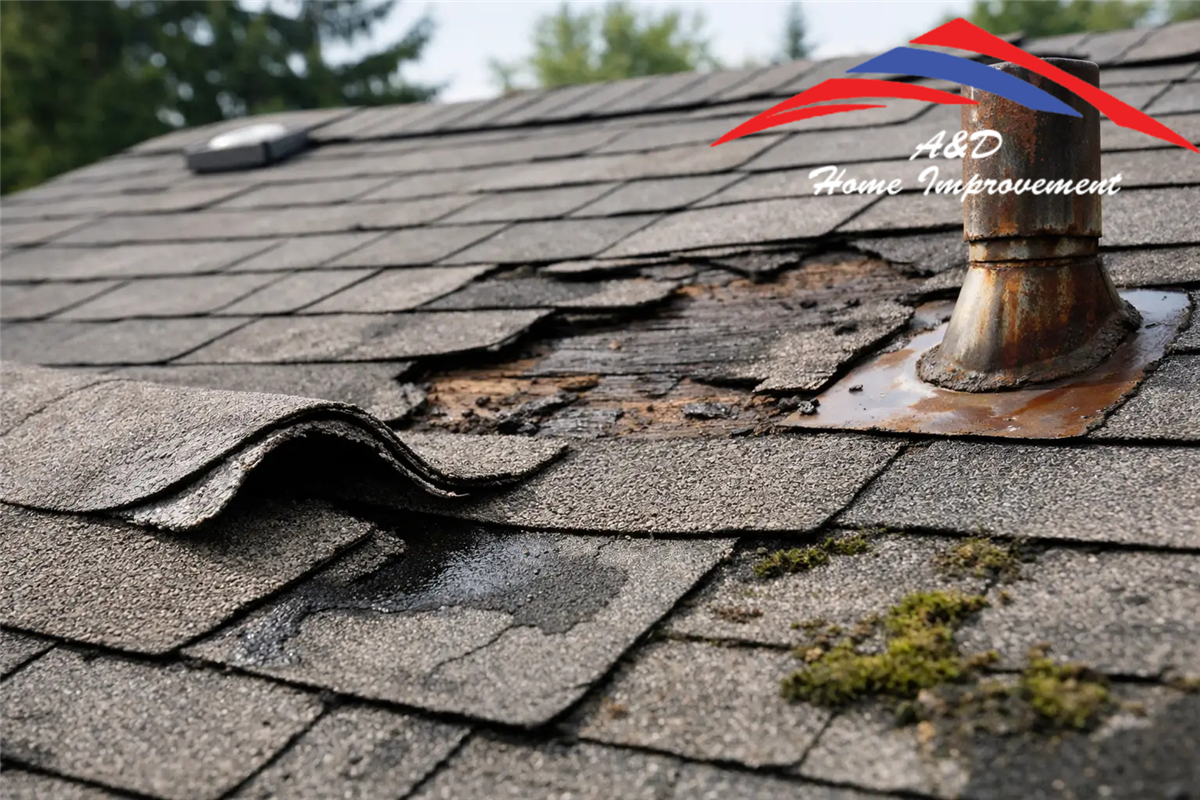
A storm rolls through the Chicago suburbs, and the next morning you notice missing shingles, granules in the gutters, or water spots on the ceiling. That is usually when homeowners start searching for an insurance approved roof replacement - not because they want a crash course in claims, but because they need answers fast and want the job done right.
The challenge is that roof damage and insurance approval are not always as straightforward as they should be. Some claims move quickly. Others stall because the damage was documented poorly, the scope was incomplete, or the roof showed signs of age-related wear instead of clear storm impact. If you want the best chance of a fair outcome, the process matters just as much as the materials going on your home.
What insurance approved roof replacement really means
An insurance approved roof replacement usually means your carrier has reviewed the reported damage and agreed that a full roof replacement, or a major covered portion of it, qualifies under your policy. That approval is based on the cause of loss, the condition of the roof before the event, your coverage terms, and the adjuster’s findings.
It does not automatically mean every part of the project is covered with no out-of-pocket cost. Your deductible still applies. In some cases, code upgrades, accessory items, or matching issues may be handled differently depending on the policy and local requirements. That is why homeowners should avoid assuming that “approved” means unlimited coverage.
For many Illinois properties, the most common triggers are hail and wind damage. Hail can bruise shingles, loosen granules, and shorten the roof’s service life. Wind can break seals, crease tabs, or tear shingles away entirely. When that kind of storm damage is visible and documented properly, a replacement is more likely to be approved than when the roof simply looks old.
Why some roof claims get approved and others do not
Insurance carriers are looking for evidence of a covered event. They want to see that the damage was sudden, accidental, and linked to a specific cause that falls within the policy. A roof that is leaking because flashing failed after years of wear may not qualify the same way a roof damaged by a recent hailstorm would.
This is where homeowners often run into trouble. A roof can have both storm damage and age-related deterioration at the same time. If the claim file only shows general wear, the insurer may deny or reduce the scope. If the inspection clearly identifies storm-created damage patterns, collateral damage to vents or gutters, and the affected elevations, the case is stronger.
Documentation also affects whether the carrier approves repair or full replacement. If the damage is isolated and the roofing system can be matched and repaired properly, the insurer may lean toward a partial repair. If the damage is widespread, the shingles are discontinued, or repairs would leave the roof with functional or visual inconsistencies, replacement becomes a more reasonable outcome.
The process behind an insurance approved roof replacement
The most effective claims usually begin with a professional roof inspection before the adjuster visit, not after. That early inspection helps establish what is actually damaged, what photographs are needed, and whether filing a claim makes sense in the first place.
After that, the claim is filed with the carrier. An adjuster is assigned to inspect the property and evaluate the reported loss. This is a key moment. If the inspection misses major damage or the scope is too narrow, the estimate can come in low, which creates delays later.
A qualified roofing contractor can help by meeting the adjuster on site, pointing out storm-related damage, and making sure all affected components are considered. That does not mean the contractor decides the claim. The carrier does. But having an experienced professional present often leads to a more accurate assessment.
Once approval is issued, the carrier provides a scope of loss and an estimate of what they are paying. Homeowners should review that paperwork carefully. Missing line items are common, especially for accessories like flashing, ridge caps, vents, starter shingles, drip edge, ice and water protection, or code-required items. A low initial estimate does not always mean bad faith. Sometimes it means the scope needs to be supplemented.
Choosing the right contractor matters more than most homeowners expect
Not every roofer is equipped to handle insurance restoration work. Some are strong installers but weak on documentation. Others are aggressive on sales and loose on execution. For a project tied to an insurance claim, you need both technical skill and process discipline.
A dependable contractor should know how to identify storm damage, prepare a clear scope, communicate with adjusters professionally, and install the roof to manufacturer specifications. That matters for performance, and it matters for your warranty. If the replacement is approved but the installation is poor, the claim success does not protect you from future problems.
In a climate like ours, product selection also matters. Illinois roofs take a beating from hail, wind, snow, freeze-thaw cycles, and summer heat. The best replacement is not just the one the carrier agrees to pay for. It is the one that gives your property durable protection, solid ventilation, and long-term value.
This is where certifications and workmanship standards become meaningful. A contractor with recognized manufacturer credentials, documented installation systems, and strong warranty backing gives homeowners more confidence that the roof will perform the way it should after the claim is closed.
Common issues that can delay an insurance approved roof replacement
One of the biggest delays comes from incomplete paperwork. If the claim lacks good photos, measurements, weather-date support, or a clear explanation of the damage, approval can take longer or come back short.
Another issue is waiting too long. If a storm damaged your roof months ago and there have been multiple weather events since then, the carrier may question what happened and when. Prompt inspections create cleaner records.
Homeowners also run into problems when they sign with a contractor before understanding the claim scope, deductible, and upgrade costs. That can lead to confusion about who is paying for what. A professional contractor should explain the insurance-funded portion, any elective upgrades, and any policy-related limits in plain language.
Then there is code compliance. Sometimes older roofs need components that were not part of the original system but are now required. Depending on your policy, those items may or may not be covered. That is not a reason to avoid filing a claim. It is just a reason to work with a contractor who knows how to spot those requirements early.
Insurance approved roof replacement and supplements
Supplements are a normal part of many insurance roof projects. If hidden damage is discovered during tear-off, or if the original estimate omitted necessary items, the contractor can submit supporting documentation for additional payment.
That should not alarm homeowners. It is often part of getting the scope corrected to reflect what the roof actually needs. The key is that supplements should be documented carefully and tied to legitimate requirements, not inflated wish lists.
A well-managed supplement process protects both the homeowner and the project timeline. It keeps the job moving while making sure required materials and labor are accounted for. When handled professionally, it reduces surprises instead of creating them.
What homeowners should expect to pay
Even with an insurance approved roof replacement, you should expect to pay your deductible unless your policy states otherwise. Beyond that, your costs may rise if you choose upgraded materials, enhanced ventilation options, premium shingle lines, or related exterior improvements not included in the claim.
That is not necessarily a bad thing. If the insurance proceeds cover the core restoration, many homeowners use the project as an opportunity to improve the roof system overall. Better shingles, improved attic ventilation, or upgraded gutter integration can add long-term performance and curb appeal. The right choice depends on budget, future plans, and how long you intend to keep the property.
For homeowners who want to minimize disruption and keep the process clear, working with a local contractor that understands both storm restoration and replacement standards can make the difference. A&D Home Improvement has built its reputation in the Chicago suburbs by combining certified installation, premium roofing systems, and claim-support experience that helps property owners move forward with confidence.
How to know you are ready to move forward
You are ready when you have three things: a clear inspection, a clear claim decision, and a clear scope of work. Without those, homeowners tend to compare contractors on price alone, which is risky on insurance jobs. The lowest number on paper does not always reflect what the roof actually needs.
A better approach is to ask whether the contractor has identified all damaged components, whether the installation will meet manufacturer requirements, and whether warranty protection is clearly defined. When those answers are solid, the project becomes much easier to trust.
If your roof has storm damage, acting early gives you more control. A careful inspection, accurate documentation, and a contractor who knows how to manage both the claim and the build can turn a stressful situation into a straightforward one - and that peace of mind is often just as valuable as the new roof itself.
Subscribe to A&D Home Improvement's Blog