If you're planning a new roof, one of the first questions is simple: how long does roof replacement take? For most homes, the actual installation takes 1 to 3 days. That said, the full project timeline can stretch longer depending on material delivery, weather delays, permit timing, and whether hidden roof deck damage shows up once the old shingles come off.
For homeowners in the Chicago suburbs, timing matters because weather can change quickly and roofing schedules fill up fast after storms. A realistic timeline starts with understanding what happens before, during, and after installation - not just the day the crew arrives.
How long does roof replacement take for most homes?
On a standard single-family home with asphalt shingles, roof replacement is often completed in 1 day. Larger homes or more complex rooflines usually take 2 to 3 days. If the roof has multiple layers to tear off, steep slopes, chimney flashing issues, or damaged decking, the project can take longer.
Commercial roofing timelines are different. Flat or low-slope systems often require more staging, more material handling, and more coordination around building operations. In those cases, the project may take several days to multiple weeks depending on the size of the building and the roofing system being installed.
The key point is this: installation day count and total project timeline are not always the same thing. A roof may only take 2 days to install, but the full process from estimate to final cleanup can take a few weeks.
What affects how long a roof replacement takes?
Roofing timelines are shaped by a mix of jobsite conditions, product choices, and local logistics. Some of these factors are predictable. Others only become clear once work begins.
Roof size and design
A simple ranch home is faster to replace than a large two-story house with valleys, dormers, skylights, and multiple ridgelines. More square footage means more tear-off, more material, and more detail work. Complex roof geometry also slows installation because crews need to cut, fit, and flash more transition points.
Roofing material
Asphalt shingles are usually the fastest residential roofing material to install. Metal, cedar, slate, and tile roofs often take longer because they require more specialized handling and more precise installation methods. Even within shingle roofing, premium systems with upgraded underlayment, ventilation components, and leak barriers can add time, although they often improve long-term performance.
Tear-off condition and hidden damage
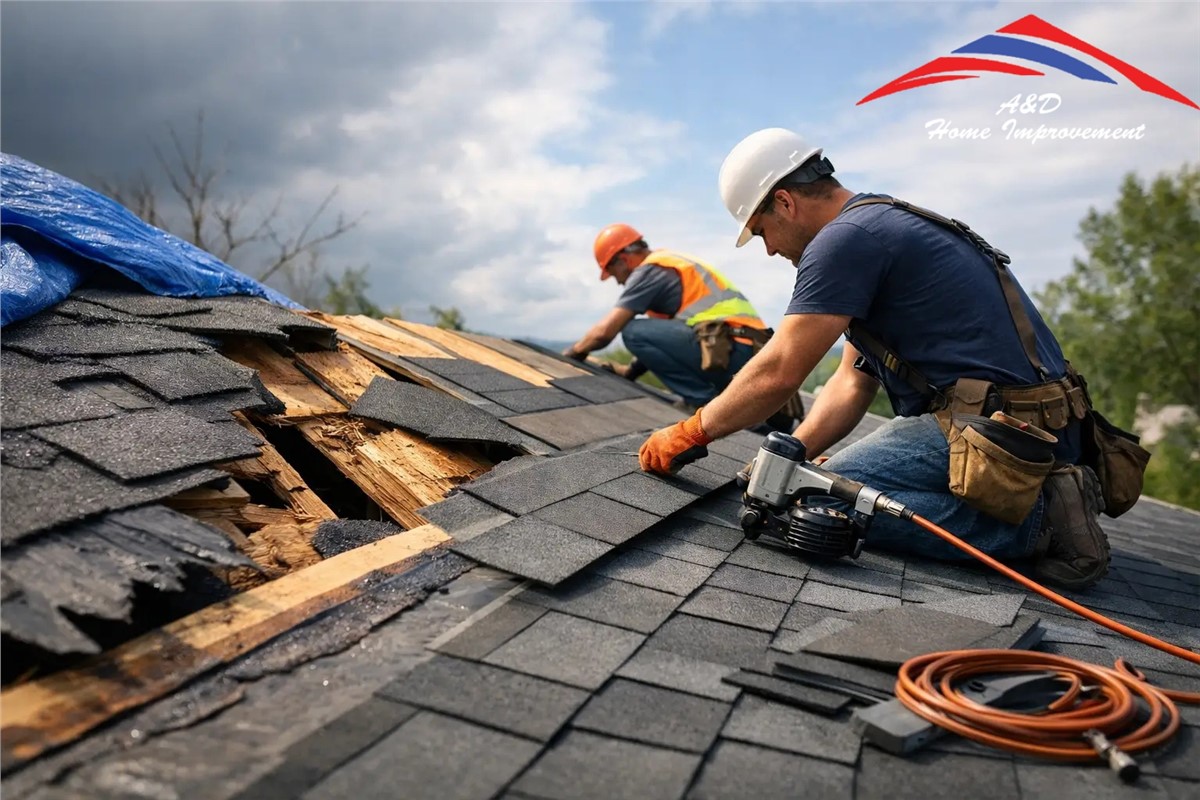
Removing the old roof is where surprises often begin. If the decking underneath is solid, the crew can move quickly into underlayment and shingle installation. If plywood or boards are soft, rotted, or storm-damaged, those sections need to be replaced before the new roof goes on.
This is one of the biggest reasons timelines shift mid-project. A trustworthy contractor will explain the issue, document it clearly, and repair it the right way instead of covering over a problem.
Weather and season
In Illinois, weather can change the schedule fast. Rain, high winds, extreme heat, and sudden storms can delay tear-off or pause installation for safety and quality control. Roofing materials also need to be installed within proper temperature ranges to perform as intended.
Spring, summer, and fall are the busiest roofing seasons, which can affect scheduling lead times before the job even starts. After a hail or wind event, demand often spikes across the area, and that can extend wait times for inspections, insurance approvals, and production scheduling.
Permits, inspections, and material availability
Some municipalities require permits and inspections, and timing can vary by location. Certain shingle colors or specialty products may also have longer lead times depending on supplier inventory. These are not signs of a bad contractor - they are part of managing a professional roofing project the right way.
What the roof replacement timeline usually looks like
The installation itself moves quickly, but the project starts well before shingles are delivered.
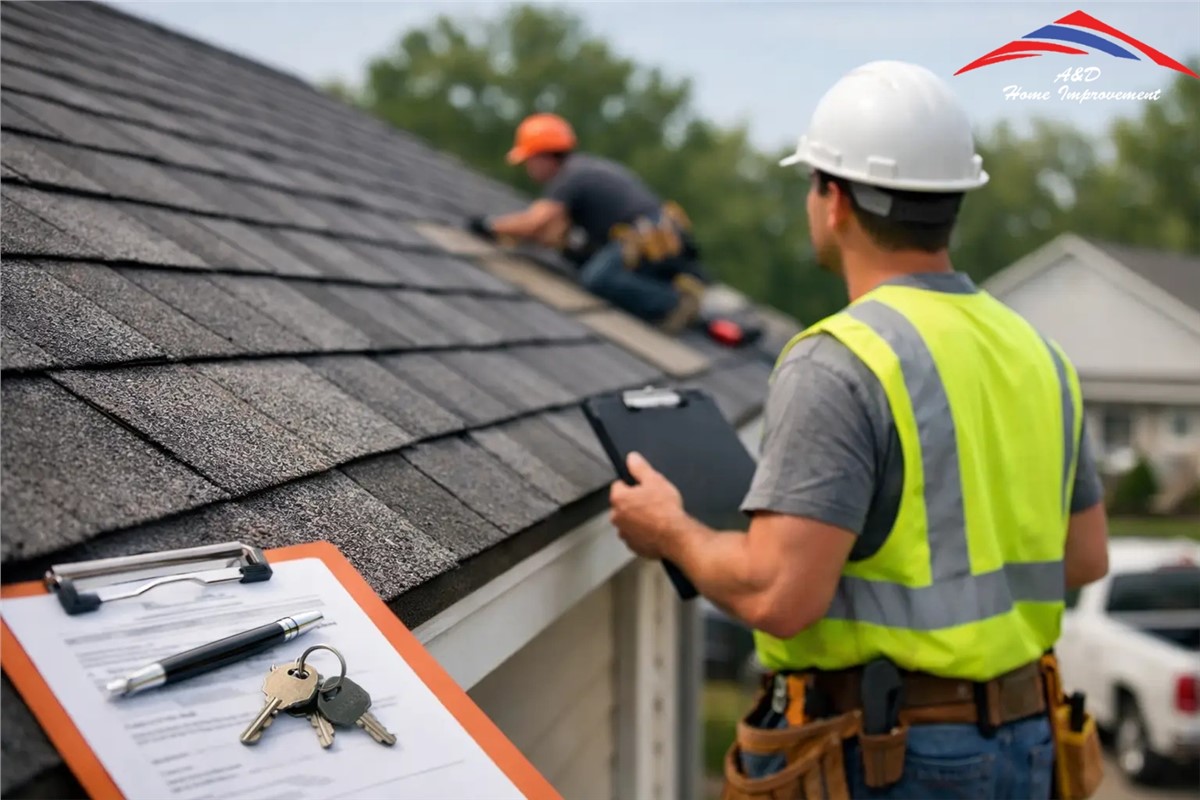
First comes the inspection and estimate. A contractor evaluates the roof, measures the project, reviews ventilation and flashing details, and identifies visible issues. If the roof was damaged by hail or wind, this stage may also involve documentation for an insurance claim.
Next comes product selection, scheduling, and permitting if needed. Homeowners choose colors, system components, warranty options, and financing if applicable. Once the contract is approved and materials are ordered, the project moves into the production queue.
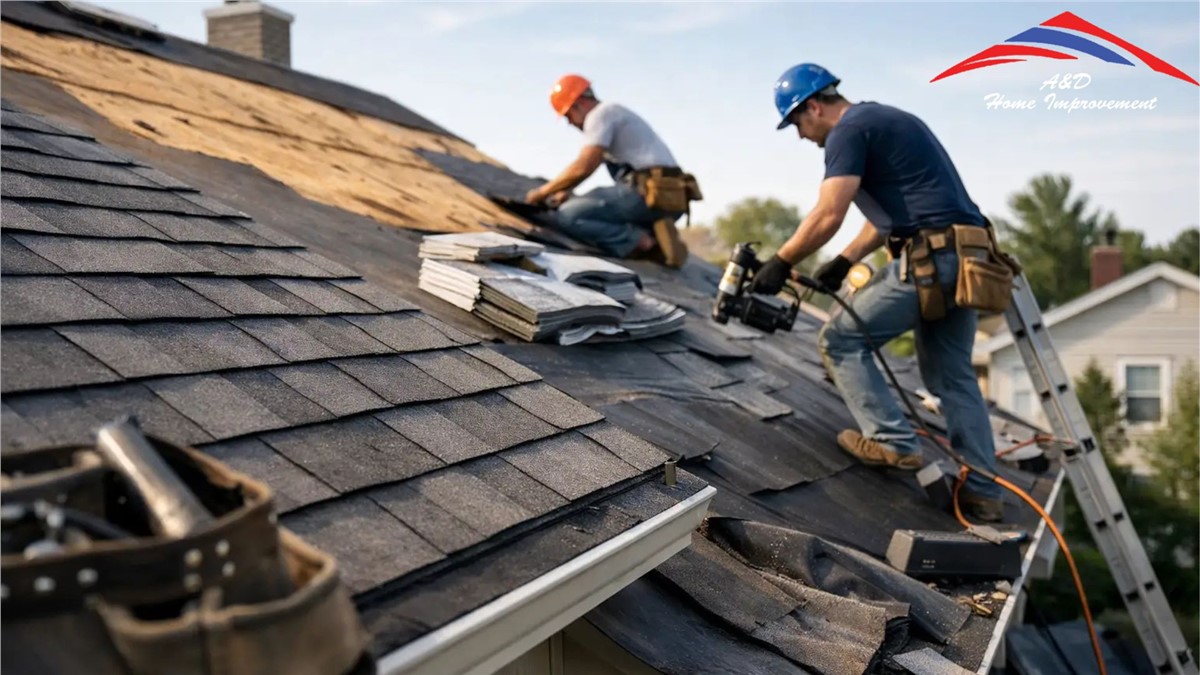
On installation day, the crew protects landscaping and access points, tears off old roofing, inspects the deck, installs underlayment and flashing, and then installs the new roofing system. Cleanup is usually completed the same day or at the end of the final install day, including magnetic sweeping for nails and debris.
If everything goes smoothly, a straightforward shingle roof can move from active installation to final walkthrough very quickly. The planning and scheduling stage often takes longer than the physical roof work.
When a roof replacement takes longer than expected
Not every delay is a red flag. Some delays are actually signs that the contractor is protecting the quality of the job.
If rain is in the forecast, pausing work may be the right decision. If damaged decking is found, replacing it is necessary. If flashing around a chimney or wall transition needs custom fabrication, taking extra time is better than rushing a leak-prone detail.
That said, homeowners should expect clear communication. A dependable roofing company explains what changed, how it affects the schedule, and what happens next. Confidence comes from knowing the project is being managed with precision, not guesswork.
How to avoid unnecessary delays
Homeowners cannot control the weather, but they can reduce preventable slowdowns.
The best first step is choosing a contractor with a structured process, strong local scheduling capacity, and certified installation standards. Experienced crews work more efficiently because they know how to coordinate labor, material delivery, code requirements, and cleanup without losing time.
It also helps to make product selections early, review the proposal carefully, and ask what might change the timeline before work begins. If your roof may involve insurance, ask how documentation and approvals are handled so expectations are clear from the start.
For homes in the Chicago suburbs, timing your project before peak storm season or before winter weather arrives can also make scheduling easier. Waiting too long on an aging or leaking roof often turns a manageable replacement into a more urgent repair situation.
Why speed matters less than doing the roof right
Fast is good only if the workmanship is correct. A one-day roof replacement can be excellent when the crew is experienced, the project is properly planned, and the roof is straightforward. But speed should never come at the expense of flashing details, ventilation, deck repairs, or cleanup.
A professionally installed roof is a full system, not just a layer of shingles. Underlayment, starter strips, ridge ventilation, ice and water protection, flashing, and manufacturer-approved installation methods all matter. Cutting corners to save a few hours can cost far more later in leaks, premature wear, or warranty issues.
That is why many property owners look for contractors with manufacturer certifications, documented workmanship standards, and warranty-backed installations. Those details offer more long-term value than a rushed promise.
A realistic answer for homeowners and property owners
So, how long does roof replacement take in real terms? For many homes, plan on 1 to 3 days for installation and a few weeks for the full process from estimate to completion. If the roof is large, complex, storm-damaged, or tied to insurance approvals, the timeline may be longer.
The right contractor will not give you a vague answer just to win the job. They will evaluate your roof, explain the likely schedule, and prepare you for variables that could affect timing. That kind of transparency helps you plan with confidence and avoid surprises.
At A&D Home Improvement, that means approaching each roofing project with the same priorities homeowners expect from a local exterior specialist: clear communication, certified installation, durable materials, and a schedule built around quality as much as speed.
If your roof is showing age, leaking, or has storm damage, the most helpful next step is not guessing at the timeline - it is getting a professional inspection so you know exactly what your property needs and how quickly it can be done.
Subscribe to A&D Home Improvement's Blog