A roof replacement is more than a new layer of shingles. For a home in the Chicago suburbs, it is a complete weather-defense project designed to manage heavy rain, snow loads, high winds, freeze-thaw cycles, and summer heat. If you are asking, what does roof replacement include, the short answer is the removal or preparation of the existing roof, installation of a complete roofing system, protection of vulnerable details, cleanup, and final quality checks.
The exact scope depends on your roof’s condition, the materials selected, local code requirements, and whether storm damage or hidden wood deterioration is present. A dependable contractor should explain each part of the project before work begins, so you know what is included in your proposal and what could change if concealed damage is uncovered.
What Does a Roof Replacement Include?
A full replacement typically begins with an on-site inspection and a written estimate. The contractor evaluates the age and condition of the shingles, flashing, vents, valleys, roof deck, gutters, chimney areas, and other penetrations. They should also identify signs of wind or hail damage, leaks, poor attic ventilation, and areas where water may have already reached the underlying wood.
From there, a complete project usually includes the roofing materials, labor, disposal, site protection, and installation of the components that allow the roof to perform as a system. Shingles get most of the attention, but the materials beneath and around them matter just as much for long-term protection.
Tear-Off or Preparation of the Existing Roof
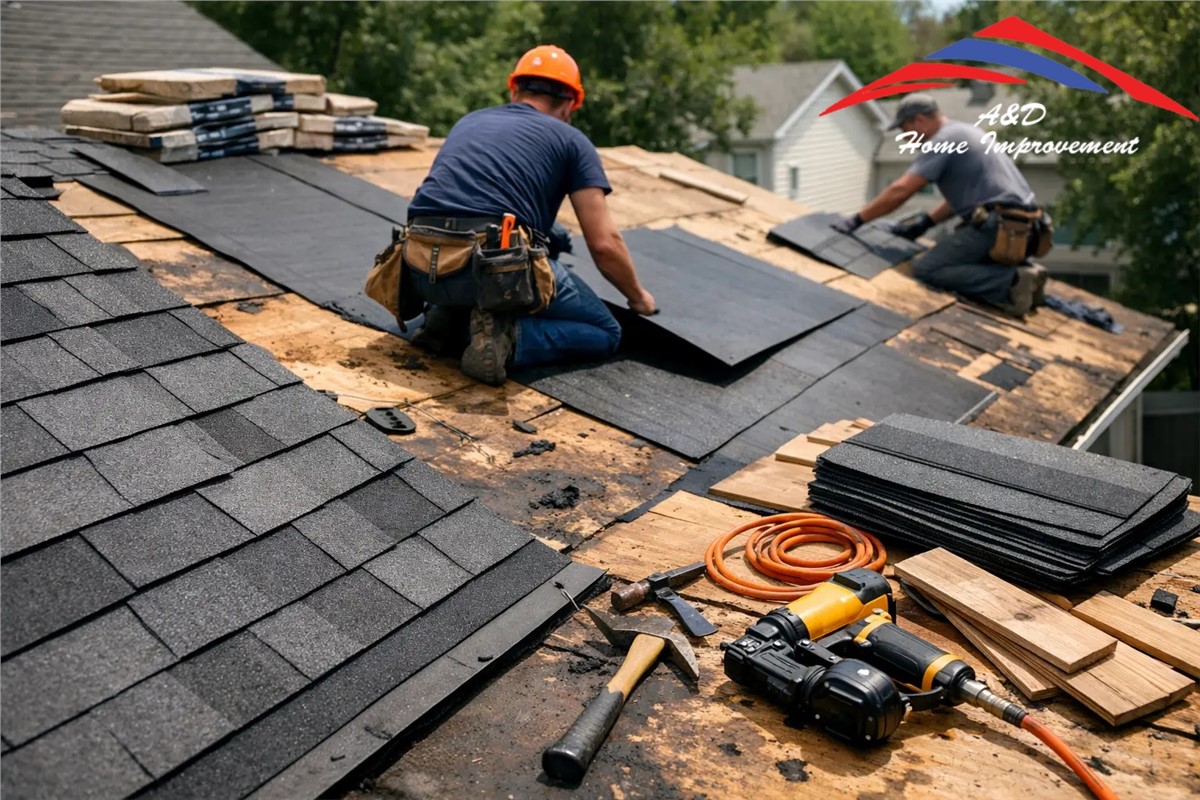
In many cases, a roof replacement includes tearing off the old shingles and underlayment down to the roof deck. Removing the existing material gives the installation crew a clear view of the decking and prevents new roofing from being installed over concealed defects.
An overlay, which places new shingles over one existing layer, can cost less upfront. However, it may not be appropriate for every home and may limit the ability to inspect the deck, address flashing problems, or achieve the best manufacturer warranty coverage. In the Chicago area, where roofs face demanding weather year after year, a full tear-off is often the better long-term decision.
The crew should protect landscaping, siding, windows, and driveways before removal begins. This may involve tarps, plywood protection, magnetic nail collection, and careful placement of dumpsters or disposal equipment.
Roof Deck Inspection and Necessary Repairs
Once the old roof is removed, the roof deck is inspected. This is the plywood or oriented strand board surface that supports the roofing system. A solid deck is essential because new shingles cannot compensate for rotten, delaminated, warped, or water-damaged wood.
Most proposals include an allowance or a stated price for replacing damaged decking if needed. Since these issues are often hidden until the old roofing is removed, a reputable contractor will document the condition, explain the repair, and get approval for any added work. That transparency matters. Deck repairs can affect the final price, but skipping them risks leaks, sagging, and premature roof failure.
The Layers That Protect Your Home
A roof is not simply shingles nailed to wood. Its performance depends on properly installed layers working together to shed water, resist wind, and allow the attic to breathe.
Ice and Water Protection
Illinois winters make ice-and-water protection especially valuable. This self-adhering membrane is commonly installed along eaves, valleys, around chimneys, and other areas prone to water backup. When snow melts and refreezes near the roof edge, ice dams can force water beneath standard shingles. This protective layer provides an added barrier against that risk.
Code requirements and roof design affect how much membrane is needed. A contractor should specify where it will be installed rather than treating it as an unclear add-on.
Underlayment and Starter Shingles
Underlayment is installed across the roof deck before the field shingles go on. It provides a secondary layer of water resistance and helps protect the deck during installation. Synthetic underlayments are widely used because they are durable, lightweight, and designed to perform well under roofing materials.
Starter shingles are installed at the roof edges. They are not merely leftover shingle pieces. Proper starter materials help seal the first course of shingles and improve wind resistance along eaves and rakes, where wind uplift can be strongest.
Quality Shingles and Ridge Cap
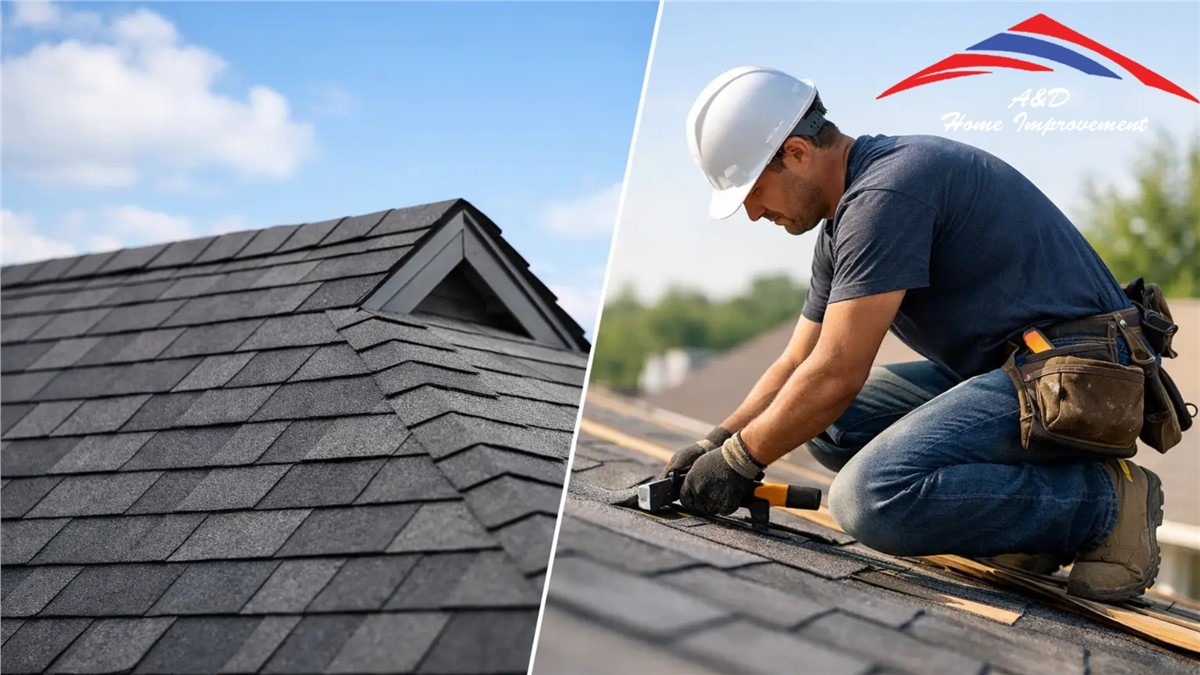
The visible portion of your replacement is the shingle system. Your estimate should clearly identify the shingle manufacturer, product line, color, warranty coverage, and wind rating. Architectural asphalt shingles remain a popular choice for Chicago-area homes because they offer strong performance, dimensional curb appeal, and a range of price points.
Ridge cap shingles complete the roof at the ridges and hips. These specialized shingles are designed to cover those high-profile areas properly while complementing the rest of the roof. Using matching manufacturer components can improve appearance and, in some cases, support enhanced warranty eligibility.
Flashing, Ventilation, and Other Critical Details
Most roof leaks do not begin in the middle of a shingle field. They occur where the roof meets a wall, chimney, skylight, vent pipe, valley, or other transition. That is why flashing work deserves close attention in every roof replacement scope.
Flashing Around Chimneys, Walls, and Penetrations
Flashing is metal material that directs water away from vulnerable joints. A replacement may include new step flashing at sidewalls, apron flashing near walls or chimneys, pipe boot flashing around plumbing vents, and valley protection where roof slopes meet.
Chimney flashing can require additional evaluation, especially on older brick chimneys. If masonry, counterflashing, or chimney caps need repair, that work may be priced separately. It is better to address those conditions at the same time than install a new roof around a failing chimney detail.
Intake and Exhaust Ventilation
Proper attic ventilation helps regulate heat and moisture. It can reduce the risk of condensation, support shingle performance, and help prevent damaging ice dams during winter. Depending on the roof design, a replacement may include ridge vents, box vents, static vents, powered ventilation, soffit intake improvements, or a combination of these components.
Ventilation is not one-size-fits-all. A qualified contractor should consider attic square footage, insulation levels, existing intake ventilation, roof geometry, and local conditions before recommending a solution. Adding more exhaust vents without adequate intake, for example, may not solve the underlying issue.
Permits, Cleanup, and Final Inspection
A professional roof replacement often includes permit coordination when required by the municipality. Requirements vary throughout the Chicago suburbs, so homeowners should confirm whether permit fees are included in the estimate or listed separately. Proper permitting helps ensure the project meets local building requirements and creates a record of the work for future buyers.
Cleanup should also be part of the plan, not an afterthought. The crew should remove old roofing debris, sweep the work area, use magnets to collect stray nails, and leave your property orderly. Some minor dust or debris can occur during any construction project, but a professional team takes practical measures to protect the property and clean up thoroughly each day.
Before the project is closed out, the contractor should inspect the completed roof, confirm that vents and flashing are properly installed, and review warranty information with you. Ask whether your warranty includes both manufacturer material coverage and workmanship coverage. They protect different parts of the investment, and both are worth understanding.
What May Not Be Included in a Standard Estimate?
A clear estimate identifies exclusions as carefully as it identifies included work. Items that may require separate pricing include extensive deck replacement, structural framing repairs, chimney masonry work, gutter replacement, skylight replacement, fascia or soffit repairs, and interior leak damage repairs.
Storm-related projects can add another variable. If hail or wind damage is involved, insurance may cover eligible repairs based on your policy and adjuster findings. The final scope can depend on approved damage, depreciation, deductibles, and whether code-related upgrades apply. A contractor experienced with insurance restoration can help document damage and explain the process, but the insurer makes the coverage decision.
Choosing a Complete Roofing Scope You Can Trust
The lowest estimate is not always the best value if it leaves out essential materials, uses vague language, or fails to address ventilation and flashing. Compare proposals line by line. Look for the exact shingle system, underlayment, ice-and-water protection, flashing details, ventilation plan, decking repair pricing, cleanup process, permit responsibilities, and warranty terms.
A&D Home Improvement approaches roof replacement as a full exterior protection system, not a quick shingle swap. Certified installation standards, premium manufacturer-backed materials, and clear project communication help homeowners make confident decisions about a major investment.
A well-scoped replacement gives you more than a refreshed roofline. It gives you a clearer path to protecting your home before the next Chicago storm puts every detail to the test.
Subscribe to A&D Home Improvement's Blog