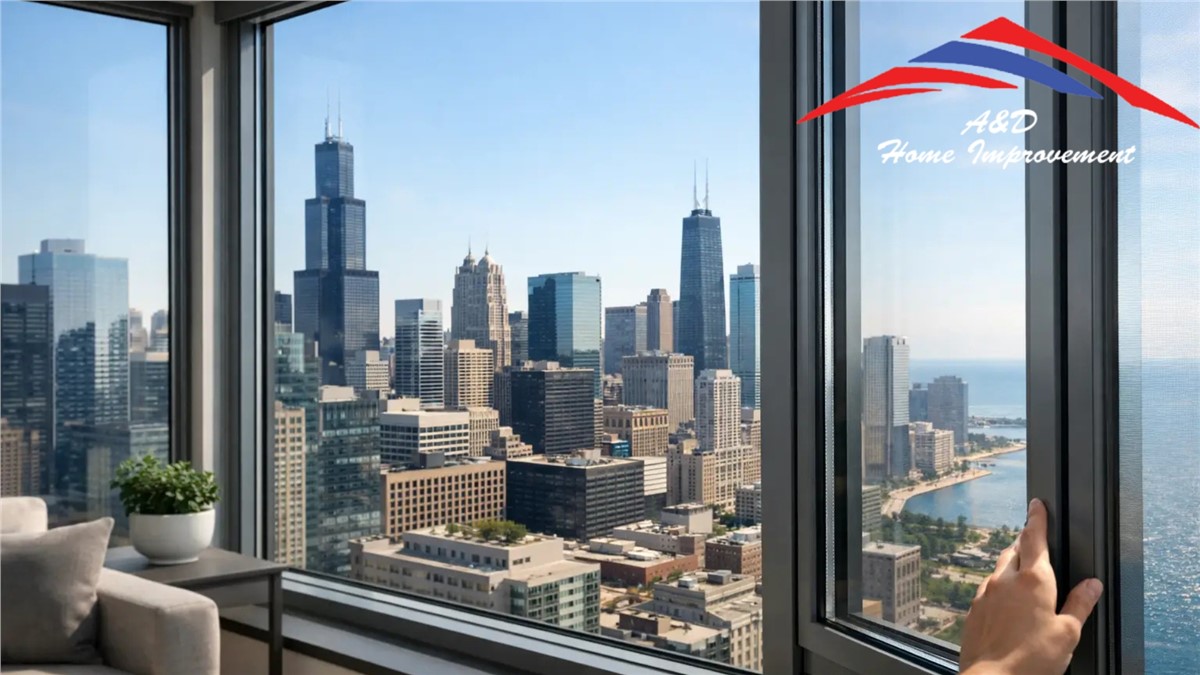
A window can look perfectly fine from the curb while quietly making a home harder to heat, cool, and live in. In the Chicago suburbs, where winter wind, summer humidity, and rapid temperature swings test every exterior surface, the future of energy efficient windows is about more than lower utility bills. It is about steadier indoor comfort, stronger weather performance, quieter rooms, and a better long-term investment in the property.
For homeowners replacing aging windows - and for commercial property owners managing operating costs - the biggest change is that window performance is becoming more precise. Buyers can now compare products by measurable ratings, select glass packages for a building’s orientation, and pair premium materials with installation methods designed to prevent the drafts that undermine even an excellent window.
What Is Driving the Future of Energy Efficient Windows?
Window technology is moving away from one-size-fits-all replacement products. The next generation of efficient windows combines better insulating glass, advanced frame materials, improved weather seals, and more informed design decisions. Rather than simply choosing double-pane glass, property owners can choose a system that addresses the way their specific building gains and loses heat.
That matters in northern Illinois. A south-facing family room may benefit from a different glass package than a shaded bedroom facing north. A large commercial storefront has different needs than a second-floor bedroom exposed to winter winds. The best window is not always the one with the lowest number in a brochure. It is the window that balances insulation, solar control, daylight, durability, and appearance for the building.
Better Glass Without a Darker Home
Low-emissivity, or Low-E, coatings remain central to high-performance window design. These nearly invisible coatings reflect heat where it is unwanted while allowing useful daylight into the room. In winter, the right coating helps retain interior heat. In summer, it can limit solar heat gain that makes rooms feel overheated.
Future products will continue to improve that balance. Homeowners want bright interiors, but they also want to protect flooring, furniture, and artwork from excessive UV exposure. Advanced coatings and glass assemblies are increasingly designed to manage heat and fading without making a room feel closed off or noticeably tinted.
Triple-Pane Glass Will Become More Common
Triple-pane windows are already a practical option for many Chicago-area homes, especially on exposed elevations and in rooms that are consistently cold or drafty. The additional pane of glass and insulating gas layers can improve comfort near the window, reduce outdoor noise, and lower heat transfer.
Still, triple-pane is not automatically the right answer for every opening. It costs more, adds weight, and may offer a smaller return in a mild climate or in a home with limited window exposure. In Illinois, it can be a strong choice for long-term homeowners, large glass areas, north- and west-facing walls, and spaces where comfort is a priority. A qualified window professional should help determine where that upgrade will produce a noticeable result.
The Ratings That Will Matter Most
As windows become more sophisticated, performance labels become more useful. Homeowners do not need to become building-science experts, but they should understand the measurements that affect comfort and operating costs.
U-factor measures how readily a window transfers heat. Lower numbers generally indicate better insulation. For a Chicago-area replacement project, this is often one of the most important figures to compare.
Solar Heat Gain Coefficient, or SHGC, measures how much solar heat passes through the glass. A lower SHGC can help control unwanted summer heat, while a higher SHGC may be useful where winter sunlight is welcome. The ideal range depends on the window’s direction and the building’s overall design.
Visible transmittance indicates how much natural light comes through the window. Higher is brighter, but it should be considered alongside solar control and glare. Air leakage is also critical. A window can have impressive glass ratings yet still underperform if air moves around the sash, frame, or installation opening.
These numbers offer a better basis for comparison than price alone. They also make it easier to see why two windows that appear similar can perform very differently over time.
Frames and Spacers Are Part of the System
Glass gets most of the attention, but the frame is responsible for much of a window’s strength, weather resistance, and insulation. Vinyl remains a popular option because it is low-maintenance and cost-conscious. Fiberglass offers excellent stability through temperature changes and can be a strong fit for homeowners seeking a premium, durable frame. Wood-clad products appeal to those who want interior warmth and architectural detail, while modern composite materials continue to expand the choices available.
There is no universal winner. A historic-style home may call for a different profile and finish than a contemporary commercial building. The right decision should account for maintenance expectations, sightlines, budget, structural needs, and the look of the siding or exterior trim.
Warm-edge spacers are another small but meaningful improvement. They separate panes of glass around the edge of an insulated glass unit and can reduce heat transfer at a common weak point. Combined with quality seals and properly filled gas chambers, these details help windows maintain their intended performance longer.
Smart Glass Is Promising, but Not Necessary for Every Project
Dynamic or smart glass can change tint in response to sunlight, user controls, or automated settings. It has clear appeal for sunrooms, large exposed window walls, offices, and rooms with persistent glare. As the technology becomes more accessible, it may play a larger role in high-end residential and commercial projects.
For most replacement window projects, however, smart glass is not the first upgrade to prioritize. A well-selected Low-E glass package, a quality insulated frame, and expert installation typically deliver more immediate value at a more practical price point. Smart features should solve a real comfort or glare problem, not simply add complexity.
Installation Will Define Window Performance
The future of energy efficient windows is not only about the product. It is also about the opening around it. Even a premium window can lose its advantage when it is installed out of square, poorly flashed, inadequately insulated, or sealed with materials that fail under changing weather conditions.
Professional installation begins with accurate measurement and an evaluation of the existing opening. Damaged framing, moisture intrusion, and failed exterior trim should be addressed rather than covered up. The window should be properly leveled and secured, insulated without overpacking the frame, and integrated with exterior flashing and weather barriers that direct water away from the structure.
This is especially important in the Chicago suburbs, where freeze-thaw cycles, wind-driven rain, and heavy seasonal temperature changes expose weaknesses quickly. Certified installation standards, manufacturer-backed products, and clear workmanship warranty coverage provide meaningful protection when making a major exterior investment.
A Practical Path for Chicago-Area Property Owners
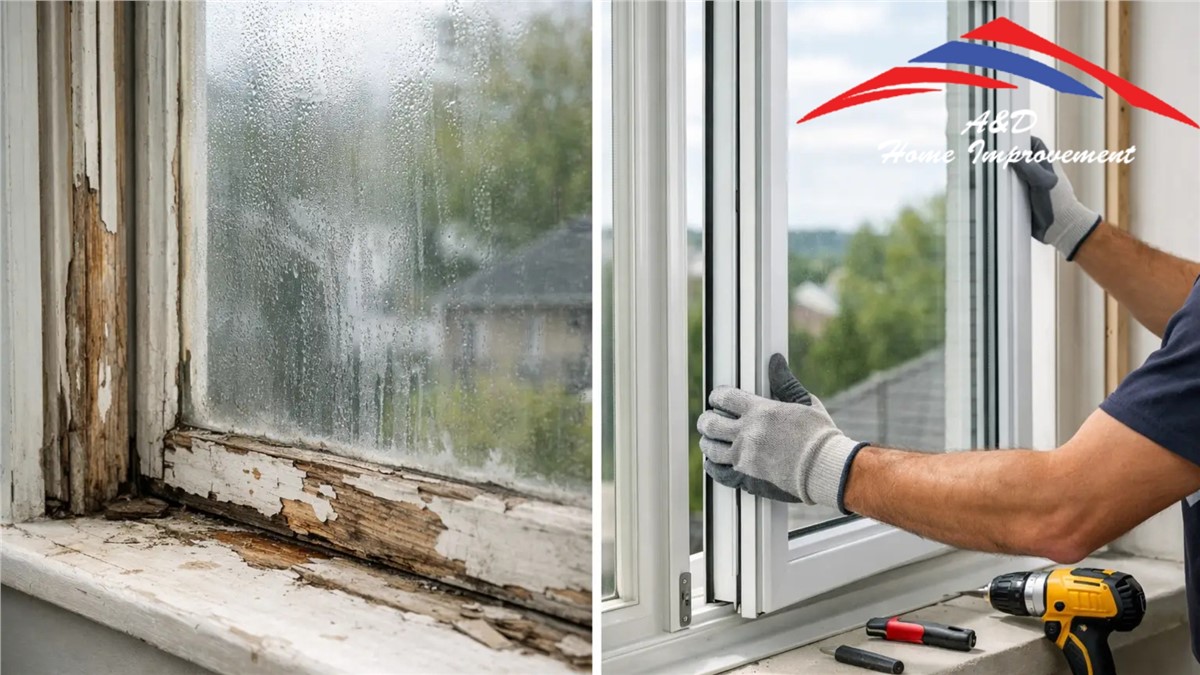
The best time to plan a window project is before a failing unit creates a larger problem. Condensation between panes, rotting frames, difficult operation, fading interiors, recurring drafts, and rising heating or cooling costs are all signs that replacement may be worth evaluating.
Start with a professional assessment of the full exterior, not just the glass. Window replacement often intersects with siding condition, trim details, insulation levels, and water management. A coordinated approach can prevent mismatched finishes and repeat work later.
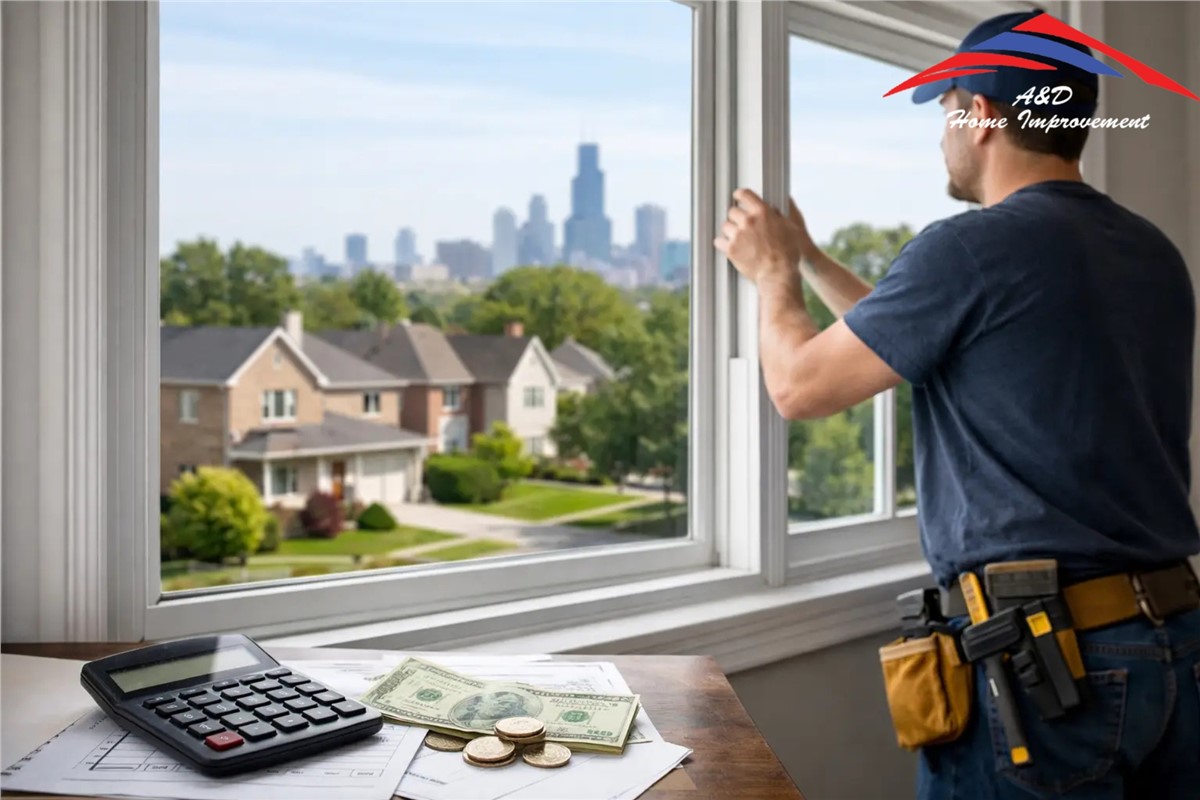
A&D Home Improvement helps property owners evaluate replacement windows with the same focus applied to roofing, siding, and other protective exterior systems: dependable materials, precise installation, and performance built for local weather. Financing options can also help homeowners choose a durable long-term solution instead of delaying a necessary upgrade.
The most valuable window improvements are the ones you can feel every day - a bedroom that stays warmer, a living room with less glare, a quieter office, and an exterior that is prepared for the next Illinois season. A detailed estimate and product comparison can turn those goals into a window plan that fits the property, the budget, and the years ahead.
Subscribe to A&D Home Improvement's Blog