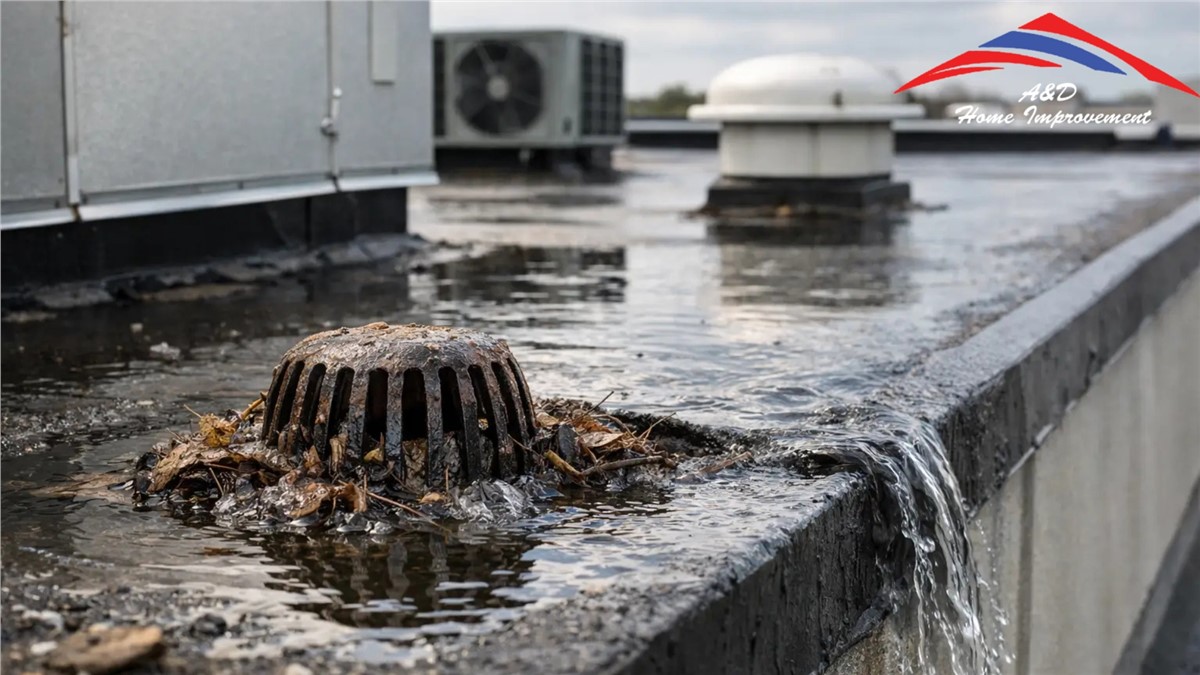
A pond of water on a commercial roof may look harmless after a Chicago-area storm. It is not. Commercial roof drainage problems can quietly shorten the life of a roofing system, create leaks around drains and seams, add weight to the structure, and interrupt business operations when water finally finds a way inside.
For property owners and managers, drainage is not a minor maintenance detail. It is part of the roof system's ability to handle heavy rain, snowmelt, freeze-thaw cycles, and wind-driven debris. Catching an issue early gives you more repair options and helps protect the investment you have made in your building.
Why Commercial Roof Drainage Problems Get Expensive
Most low-slope commercial roofs are designed to move water toward internal drains, scuppers, gutters, or edge drains. The roof may appear flat from the ground, but it should have enough slope to direct water away. When that flow is interrupted, water sits where it should not.
Standing water accelerates wear on many commercial roofing membranes. It can stress seams, expose weak points around penetrations, and contribute to deterioration of insulation or roof decking if moisture gets below the surface. In winter, trapped water can freeze, expand, and make an existing vulnerability worse.
The cost is not limited to the roof. A drainage failure can damage ceiling systems, insulation, inventory, electrical equipment, and tenant spaces. For a retail center, office building, warehouse, or multifamily property, a leak can also mean lost work time, frustrated tenants, and emergency repair expenses.
Not every shallow puddle means immediate roof failure. A qualified roofing professional will consider how long water remains after rainfall, the roof system type, the amount of ponding, and the condition of the membrane beneath it. Water that remains for more than 48 hours in dry conditions deserves attention.
Warning Signs Your Roof Is Not Draining Properly
Drainage issues often develop gradually. Routine visual checks after a storm can reveal changes before they become interior leaks. Look for these signs on the roof and inside the building:
- Water that remains on the roof two days after rain has stopped.
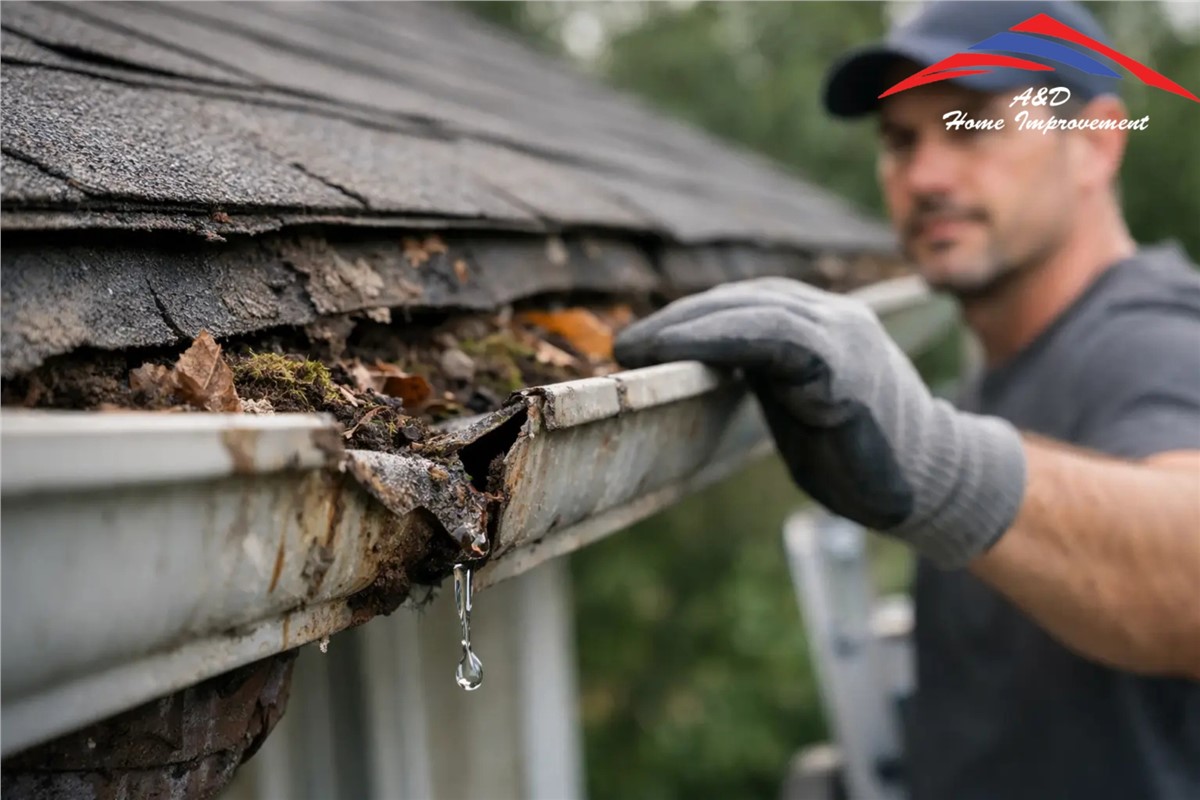
- Blocked roof drains, scuppers, downspouts, or strainers filled with leaves, gravel, ice, or windblown debris.
- Dark rings, algae growth, wrinkled membrane areas, or visible deterioration around low spots.
- Staining on ceilings or exterior walls, especially near drain locations and parapet walls.
- Overflowing gutters or water spilling over scuppers during ordinary rainfall.
A recurring leak near the same ceiling tile is not always directly below the roof opening. Water can travel along decking, insulation, pipes, or structural members before it becomes visible indoors. That is why a professional assessment should trace both the leak path and the roof drainage path rather than simply patching the interior symptom.
Clogged Drains and Scuppers
Clogs are one of the most common and preventable causes of drainage trouble. Leaves, loose ballast, roofing debris, tennis balls, and even bird nests can restrict water flow. On roofs with internal drains, a missing or damaged strainer allows larger debris to enter the system and can create a blockage farther down the drain line.
In the Chicago suburbs, fall leaf buildup and spring storm debris make scheduled cleaning especially valuable. Snow and ice can create another challenge. Water may reach a drain but freeze at the opening or in a scupper, leaving meltwater nowhere to go.
Poor Slope or Settling
If a roof was not designed with sufficient slope, or if the building structure has settled over time, water naturally collects in low areas. This is more involved than clearing a drain. The solution may require tapered insulation, localized slope correction, or changes to the roof layout during restoration or replacement.
The right repair depends on the roof's age and condition. A newer membrane in otherwise good shape may benefit from a targeted drainage improvement. If the membrane, flashings, insulation, and drainage design are all nearing the end of their service life, a full replacement can offer better long-term value than repeated spot repairs.
Undersized or Damaged Drainage Components
A drain system must be sized for the roof area and local rainfall conditions. When a property has been expanded, rooftop equipment has been added, or drainage components have been altered without a complete plan, the original system may no longer handle the runoff.
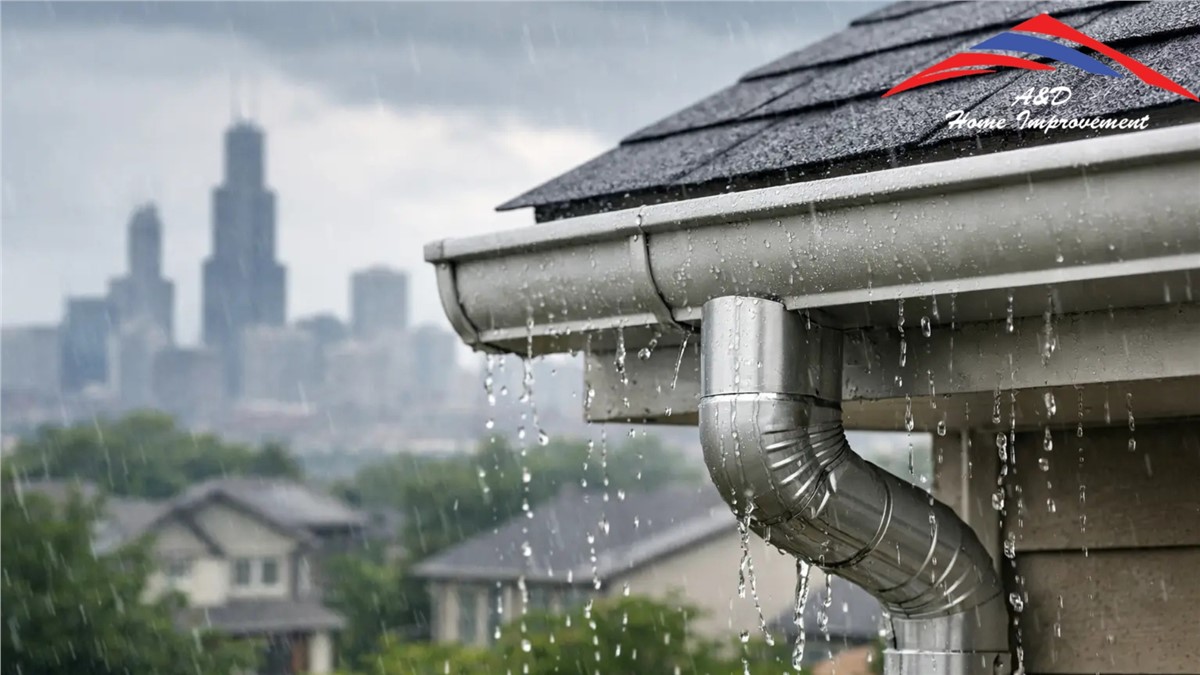
Damaged drain bowls, cracked scuppers, loose flashing, separated gutters, and improperly connected downspouts also create problems. Water may be leaving the roof, but not in a controlled way. That can lead to staining, foundation-area erosion, facade damage, or water entering through wall connections.
How to Prevent Drainage Failures
Commercial roof maintenance should be proactive, particularly before and after severe weather seasons. A practical plan starts with inspections at least twice a year, plus checks after major windstorms, hail, or heavy rainfall. Buildings surrounded by mature trees or exposed to frequent debris may need more frequent cleaning.
During an inspection, the roof should be checked for debris, ponding patterns, membrane damage, loose edge metal, drain condition, and flashing integrity. Interior spaces should also be reviewed for stains, odors, damp insulation, and signs of moisture near ceilings or walls.
Property managers should keep records of roof inspections, repairs, and leak calls. Photos taken after storms can be useful when identifying recurring ponding areas or documenting sudden storm damage. They also help establish whether a concern is a maintenance issue, an installation issue, or a condition that may support an insurance claim.
Do not rely on maintenance staff to walk a wet or icy roof without appropriate safety training and equipment. Clearing an obvious drain from a safe access point may be reasonable, but diagnosing membrane damage or modifying drainage components requires a qualified commercial roofing contractor.
Repair Options for Commercial Roof Drainage Issues
The best repair is based on the cause, not just the visible water. For a clogged drain, professional cleaning and replacement of damaged strainers may be enough. For deteriorated flashing around drains or scuppers, localized membrane repair can restore a watertight connection.
When ponding results from low spots, a contractor may recommend adding tapered insulation to improve drainage. This approach can be highly effective during a roof restoration or replacement, when the drainage plan can be corrected across a larger area. In some cases, additional drains or scuppers may be needed, but that decision should account for structural conditions, plumbing capacity, roof geometry, and local code requirements.
A quality repair should not simply move water from one problem area to another. It should direct runoff safely away from the roof while protecting walls, gutters, downspouts, and the area around the building. The details matter, from properly sealed drain flashings to correctly supported gutters and discharge points.
When to Schedule a Professional Roof Assessment
Call for an assessment promptly if you see active leaking, widespread ponding, overflowing drainage components, bubbling or splitting membrane, or staining that returns after every storm. These are signs that water management may already be affecting the roof assembly.
It is also wise to schedule an evaluation before purchasing a commercial property, renewing a major lease, or planning exterior improvements. A roof may look serviceable from the ground while its drains, flashings, and insulation are concealing moisture-related damage.
A&D Home Improvement helps commercial property owners in the Chicago suburbs evaluate roofing conditions with a practical focus on performance, workmanship, and long-term value. A clear assessment can identify whether your roof needs cleaning, targeted repairs, drainage improvements, or a replacement plan built for Illinois weather.
Water should leave your roof quickly, predictably, and without creating a new problem at the building perimeter. A timely inspection after the next heavy storm can turn a small drainage concern into a manageable project instead of an unexpected disruption.
Subscribe to A&D Home Improvement's Blog