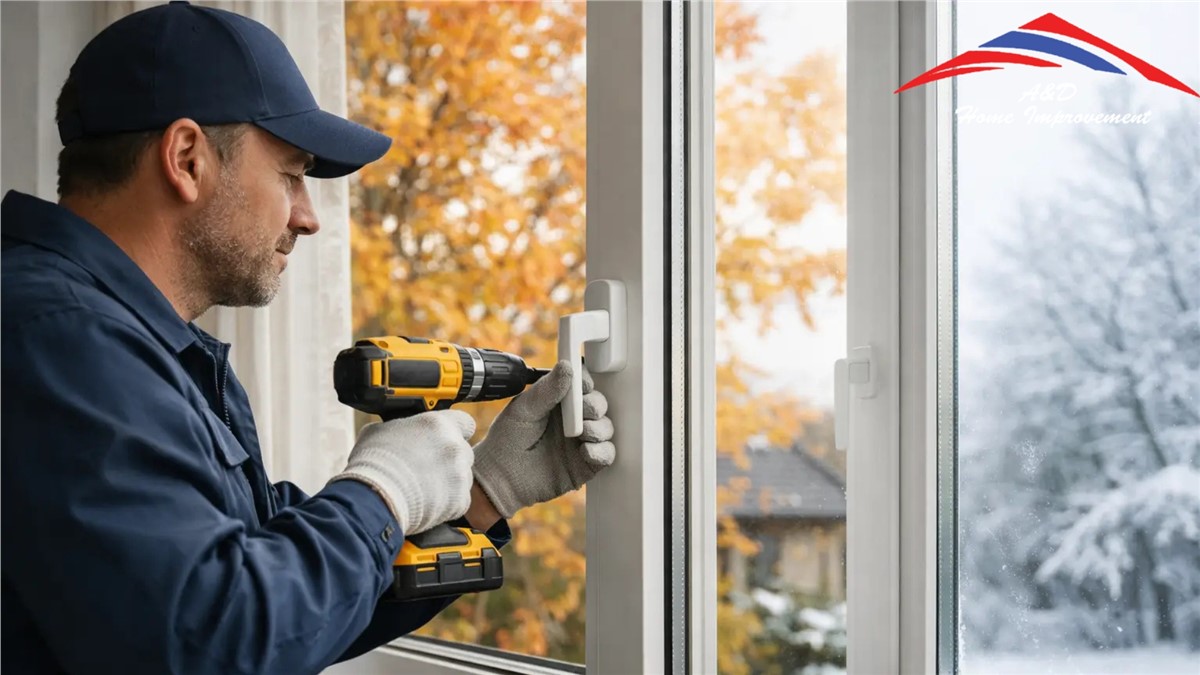
A cold Chicago-area night has a way of exposing window problems quickly. Rooms near older windows feel noticeably cooler, curtains move when the heat turns on, and the furnace seems to run without giving the home consistent comfort. Scheduling window installation before winter gives homeowners an opportunity to correct those issues before freezing temperatures, wind, and snow add pressure to an already inefficient exterior.
Replacing windows is not only about appearance. Properly selected and professionally installed replacement windows can reduce drafts, improve interior comfort, manage condensation, and help protect the home from moisture intrusion. The right timing also matters. Fall is often an ideal season for planning a project, but a qualified contractor can explain whether your home, schedule, and local weather conditions make it the right move.
Why Window Installation Before Winter Pays Off
Older windows can lose performance in several ways. Worn weatherstripping, failed seals, warped frames, cracked glass, and gaps around the window opening all allow outside air to affect the interior. In the Chicago suburbs, that means more than a chilly spot near the glass. It can mean uneven temperatures from room to room, higher heating demands, and condensation that may damage surrounding trim if it is ignored.
New energy-efficient windows are designed to create a stronger barrier between your home and the elements. Features such as insulated glass packages, low-emissivity coatings, quality weatherstripping, and properly fitted frames can help retain conditioned air while reducing cold-air infiltration. Results vary by the home, the window style, and the condition of the existing openings, but many homeowners feel the difference in comfort right away.
Installation quality is just as important as the window itself. A premium window will not perform as intended if the opening is poorly prepared, flashing is incorrect, or insulation and sealing details are skipped. A professional installation should address the entire opening, not simply place a new unit into an old frame and call the job complete.
Comfort is often the first benefit homeowners notice
The goal is not to make the glass feel warm in subzero weather. Even high-performance glass will be cooler than an insulated wall. The difference is that well-installed replacement windows can reduce the cold drafts and temperature swings that make a room uncomfortable.
This is especially valuable in bedrooms, living rooms with large window walls, home offices, and rooms above garages. If your family avoids certain areas of the house once winter arrives, the windows may be part of the problem. An in-home assessment can help separate window issues from attic insulation gaps, air leaks, or HVAC concerns that may also affect comfort.
Better moisture control protects the surrounding materials
Condensation on interior glass is not always a window failure. Indoor humidity, cooking, showers, and a lack of ventilation can all contribute. However, chronic condensation between panes usually signals a failed insulated-glass seal, while water stains, soft trim, or visible gaps around a window can point to more serious installation or exterior-water-management concerns.
Replacing failing windows before winter gives a contractor time to inspect the opening and address damaged components when needed. That is a more reliable approach than covering symptoms with caulk after cold weather has already arrived.
When to Schedule Window Installation Before Winter
Early fall is typically the most comfortable time for a window project because temperatures are moderate and schedules are easier to plan around. Waiting until the first major cold snap can limit appointment availability and make homeowners feel rushed into a decision. Starting the estimate process before fall is over gives you more flexibility to compare styles, glass packages, colors, and budget options.
That said, winter installation is possible in many cases. Experienced crews can replace windows in colder months by working one opening at a time, minimizing the time your home is exposed. Certain products and sealants have temperature requirements, and severe wind, snow, or ice can delay exterior work. A reputable contractor will monitor conditions and reschedule when doing the work correctly is not possible.
The best timeline depends on your needs. If a window is leaking, badly damaged, difficult to secure, or allowing significant drafts, waiting for spring may create unnecessary risk and discomfort. If the issue is mainly cosmetic and the existing windows remain secure and weather-tight, taking time to plan may be reasonable. The important step is getting an honest assessment before winter conditions turn a manageable concern into an urgent repair.
Do not overlook lead times
Replacement windows are often made to fit the dimensions and specifications of your home. Custom sizes, specialty shapes, exterior colors, hardware choices, and upgraded glass can affect production time. An estimate in October does not always mean installation in October.
For that reason, homeowners considering a project should start early enough to make decisions without pressure. A detailed proposal should explain what is included, the expected product timeline, the installation process, warranty coverage, and any conditions that could affect scheduling.
Choosing Windows for an Illinois Winter
The best replacement window is not necessarily the one with the longest feature list. It needs to suit your home, your priorities, and the climate. A large picture window may prioritize glass area and views, while a bedroom window may need easy operation and egress capability. A street-facing elevation may call for a style that supports curb appeal as much as efficiency.
Focus on the whole system: frame material, glass package, weatherstripping, hardware, screens, and installation method. Vinyl, fiberglass, wood-clad, and composite options each have different price points, maintenance needs, and appearance characteristics. Higher-end options may offer greater design flexibility or durability, but the right choice depends on the home and budget.
For cold-weather performance, ask about insulated glass, low-E coatings, and options appropriate for the local climate. Also ask how the contractor handles insulation, flashing, exterior trim, and water management around the opening. These details influence long-term performance far more than a showroom sample alone can show.
A&D Home Improvement helps Chicago suburban homeowners evaluate energy-efficient window options alongside the condition of their siding, trim, gutters, and other exterior components. Looking at the full exterior can prevent a new window project from being compromised by a separate drainage or water-intrusion issue.
What a Professional Installation Should Include
A dependable project begins with accurate measurements and a clear scope of work. Before installation day, the contractor should confirm window styles, operating directions, finishes, glass selections, and any trim or capping work. Clear communication helps avoid surprises once materials arrive.
On installation day, crews should protect interior work areas, remove the existing window carefully, inspect the opening, and correct minor issues within the agreed scope. The replacement window should be set level, plumb, and square, then insulated and sealed using materials suited to the application. Exterior finishing should direct water away from the opening while creating a clean, durable appearance.
After installation, test every operating sash and lock. Look at the interior trim, exterior caulking, and cleanup before the crew leaves. Keep your warranty documents and product information in a safe place. Strong workmanship and manufacturer-backed warranties provide important reassurance, but they are most valuable when you understand what they cover and how to maintain the windows over time.
A Practical Next Step Before the Temperature Drops
If you are noticing drafts, fogged glass, rotted trim, difficult operation, or rising discomfort near your windows, do not wait for the first hard freeze to investigate. A professional estimate can clarify whether replacement is the right solution, which options fit your goals, and whether the work can be completed before winter or should be scheduled under the right weather conditions. A well-planned project now can make your home feel more protected when the Chicago winter settles in.
Subscribe to A&D Home Improvement's Blog