A window can look perfectly acceptable from the curb while quietly driving up heating bills, letting in cold drafts, and allowing moisture to damage surrounding trim. This window replacement buyer guide is built for Chicago-area property owners who want to make a confident investment before another winter, storm season, or remodeling project raises the stakes.
Replacement windows are not a one-size-fits-all purchase. The right choice depends on your home’s construction, exposure to wind and sun, comfort goals, budget, and the condition of the existing openings. Product quality matters, but precise installation and reliable warranty support matter just as much.
Start With the Reason You Are Replacing Windows
The best window for a home with failing wood frames may be different from the best choice for a family trying to reduce road noise or modernize a dated exterior. Before comparing brands, identify the problem you need the project to solve.
Common signs include rooms that feel cold in winter or overly hot in summer, noticeable drafts, condensation between glass panes, difficult operation, peeling frames, water stains, and rising energy costs. Single-pane windows, warped frames, and failed seals are especially common concerns in older Chicago suburban homes.
Sometimes a repair is enough. A broken crank, damaged screen, or worn weatherstripping can often be addressed without replacing the entire unit. But if multiple windows have frame deterioration, fogged insulated glass, recurring leaks, or poor operation, full replacement usually offers better long-term value than repeated repairs.
Choose the Right Window Replacement Style
A window should suit both the way a room functions and the architecture of the property. A style that looks attractive but is difficult to clean, operate, or secure will become frustrating quickly.
Double-hung windows remain a popular option for traditional homes because both sashes can move, and many designs tilt in for easier cleaning. Casement windows open outward with a crank, creating a tight seal when closed. They work well above kitchen sinks and in spaces where homeowners want strong ventilation.
Sliding windows are practical for wider openings and rooms facing walkways or patios, where an outward-swinging sash could be inconvenient. Picture windows deliver broad views and daylight but do not open, so they are often paired with operable windows nearby. Bay and bow windows can create a dramatic architectural focal point and add interior space, but they require careful structural planning and flashing.
For bedrooms, confirm that the selected window meets local egress requirements where applicable. A beautiful replacement window is not the right fit if it compromises emergency escape access or code compliance.
Frame Materials: Compare Performance, Maintenance, and Cost
Frame material affects insulation, appearance, maintenance, and price. There is no universal winner, especially in a climate that puts windows through freezing temperatures, humid summers, wind-driven rain, and rapid temperature changes.
Vinyl windows are a popular value-focused choice. Quality vinyl frames resist moisture, do not need painting, and can provide strong energy performance. Less expensive vinyl products may have thinner frames, fewer color choices, or less structural rigidity, so compare construction details rather than shopping on price alone.
Fiberglass is known for strength, stability, and low maintenance. It can be an excellent fit for homeowners who want a durable premium frame that handles seasonal movement well. It generally costs more than vinyl, but its longevity and appearance can justify the investment for many properties.
Wood windows offer a classic look that suits historic and higher-end homes. They provide natural insulation and can be painted or stained, but exterior wood requires consistent maintenance unless protected with a durable cladding. Composite and clad-wood options can provide a balance of traditional character and weather resistance.
Aluminum frames are strong and slim, making them useful in certain commercial applications and contemporary designs. However, residential buyers should closely evaluate thermal performance, particularly for Illinois winters.
Understand Glass Packages Before Comparing Prices
Two estimates can list similar-looking windows while delivering very different comfort and energy results. The glass package is often where those differences become meaningful.
Double-pane insulated glass is standard in most quality replacement windows. Low-E coatings help manage heat transfer, keeping interior heat inside during cold weather and limiting unwanted solar heat in summer. Argon or krypton gas fills between panes can further improve insulation.
Pay attention to U-factor and solar heat gain coefficient, not just broad claims about energy efficiency. A lower U-factor generally means better resistance to heat loss. Solar heat gain coefficient indicates how much solar heat passes through the glass. Lower is not always better: rooms with substantial southern exposure may benefit from different glass choices than shaded areas or rooms where winter sunlight is welcome.
If outdoor noise is a concern, ask about glass thickness, laminated glass, and the overall construction of the window. Sound control is influenced by more than the number of panes. An excellent window with gaps around the frame will not perform as intended.
The Window Replacement Buyer Guide to Installation Quality
Installation is where a good window either delivers on its promise or falls short. Even premium windows can leak air and water when measurements, flashing, insulation, or trim work are handled poorly.
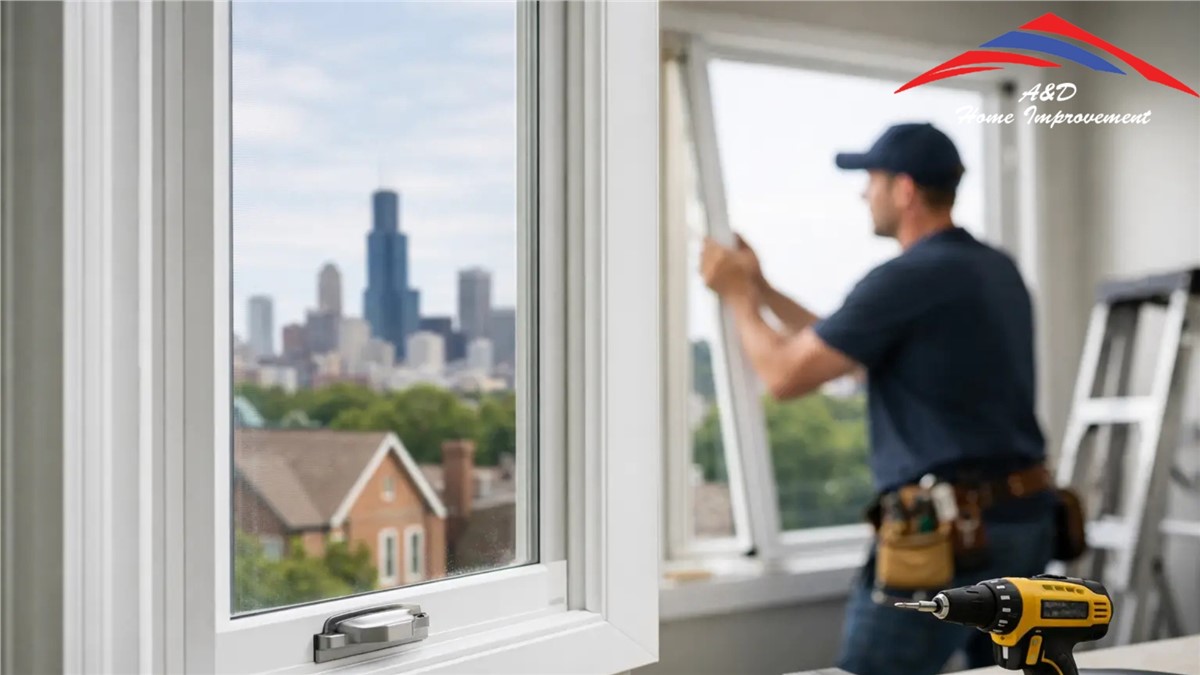
Ask each contractor how they evaluate the existing opening. A thorough assessment should look beyond the glass to identify damaged framing, rot, exterior cladding conditions, and water-management concerns. The installer should explain whether the project calls for insert replacement windows or full-frame replacement.
Insert replacements fit within an existing frame and can be efficient when that frame is sound and square. Full-frame replacement removes the old frame, allowing the crew to inspect the rough opening and install new insulation, flashing, and trim details. It is usually more involved, but it can be the smarter solution when there is water damage, frame failure, or a desire to maximize glass area.
Before signing a contract, make sure the scope clearly addresses these four areas:
- How the contractor will protect landscaping, furniture, floors, and exterior surfaces during the work.
- Whether deteriorated wood, trim, or structural issues are included, excluded, or priced as a contingency.
- What air sealing, insulation, flashing, and exterior caulking methods will be used.
- Who handles final cleanup, permit requirements, inspection coordination, and warranty service.
A clear scope reduces surprises and makes it easier to compare estimates fairly.
Read Warranties for the Coverage That Matters
A strong warranty can add real peace of mind, but homeowners should read beyond a headline such as “lifetime warranty.” Manufacturer coverage may apply differently to glass, hardware, frames, finishes, and accidental glass breakage. Some protections are prorated after a certain period or limited to the original owner.
The contractor’s workmanship warranty is equally important. This coverage addresses installation-related issues such as improper sealing, flashing, or fit. Ask who will inspect a concern, how service requests are handled, and whether the installer has an established local presence to stand behind the work.
Manufacturer certifications can also be meaningful. They often indicate that an installer has completed product-specific training and can provide approved installation methods. Still, certification should support, not replace, a careful review of workmanship, project documentation, and customer feedback.
Set a Budget Around Long-Term Value
Window pricing varies based on opening size, style, frame material, glass upgrades, installation complexity, trim needs, and structural repairs. A low initial quote may omit important work, while the highest-priced option may include features that do not meaningfully improve your home’s performance.
Consider the cost in terms of comfort, maintenance, durability, curb appeal, and expected ownership period. If you plan to stay in the home for decades, investing in a stronger frame, better glass package, and full-frame installation may make sense. If the project is part of a near-term sale, prioritize clean operation, consistent appearance, and appropriate performance for the neighborhood.
Financing can help homeowners address a necessary replacement project without delaying it through another damaging winter. The key is to compare monthly payment terms alongside total project cost and select a scope that solves the actual problem.
Request an Estimate With Confidence
A professional estimate should feel informative, not rushed. The contractor should measure carefully, discuss style and performance options, review any visible concerns, and provide written product and installation details. Be cautious if a proposal relies only on a broad price range or pushes a same-day decision without explaining the work.
For Chicago suburban homes, windows must do more than look good on installation day. They need to seal tightly through winter cold, resist wind-driven rain, operate reliably, and complement the rest of the exterior. A&D Home Improvement helps property owners evaluate those details with certified installation standards, dependable products, and a clear project scope. The right replacement windows should leave your home quieter, more comfortable, and better prepared for the weather outside.
Subscribe to A&D Home Improvement's Blog