A roof leak over a retail floor or warehouse line is not a small inconvenience. It can interrupt business, damage inventory, create safety issues, and turn a manageable repair into a much larger expense. That is why commercial roofing decisions carry more weight than most property upgrades. In the Chicago suburbs, the right roof has to do more than cover a building. It has to stand up to hail, heavy snow, summer heat, freeze-thaw cycles, and strong winds without becoming a constant maintenance problem.
For property owners and managers, the challenge is not just choosing a roofing product. It is choosing a system and an installer that match the building, the budget, and the long-term goals of the property. A lower upfront price can look attractive, but if the installation is rushed or the material is wrong for the structure, the cost shows up later in repairs, disruption, and premature replacement.
What makes commercial roofing different
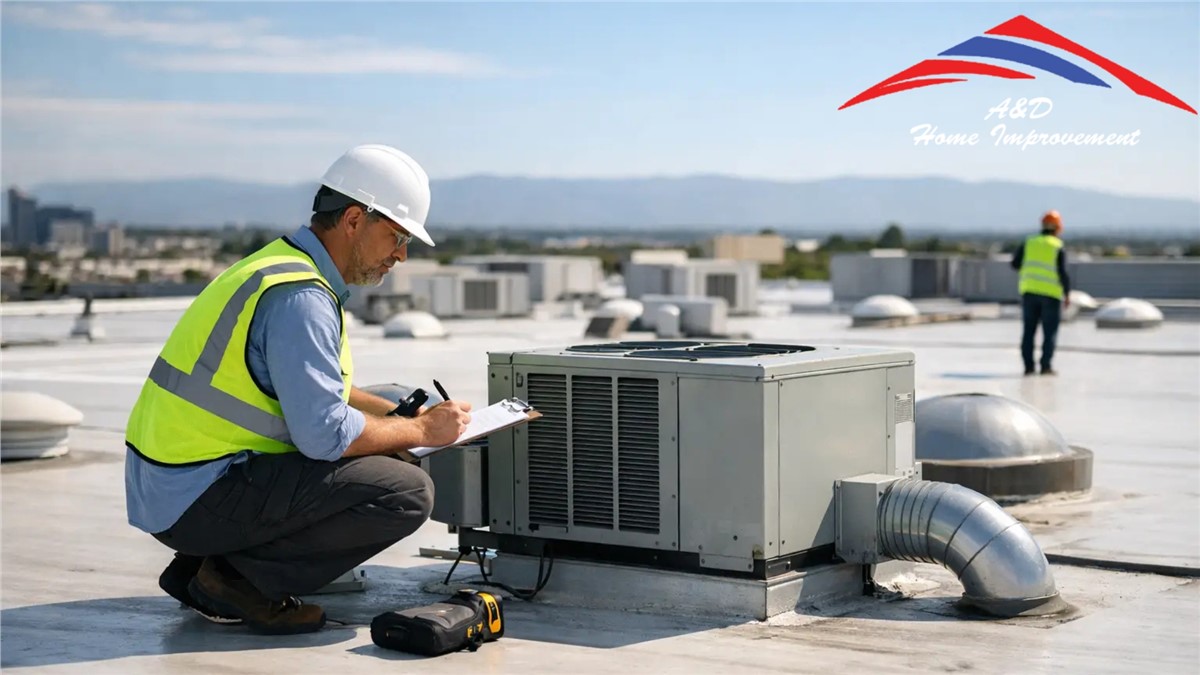
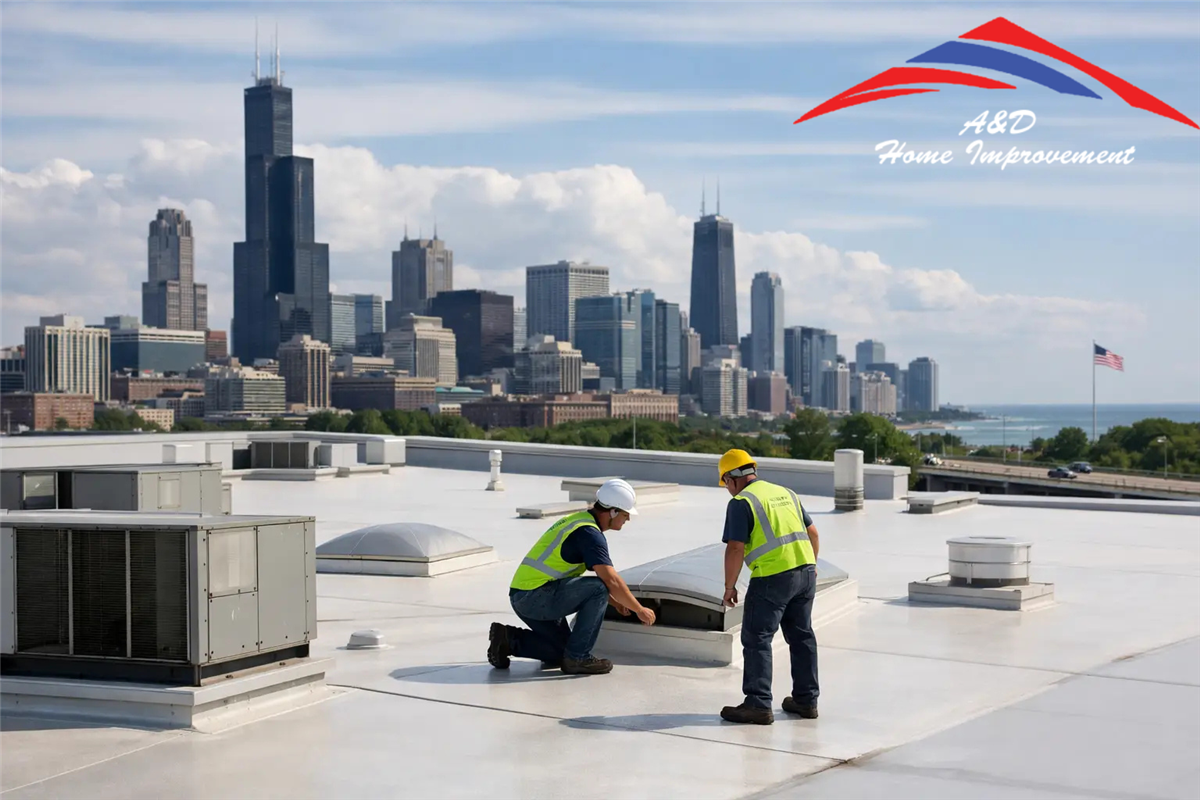
Commercial roofing is a different category from residential work in both design and performance. Most commercial buildings have low-slope or flat roof systems, larger surface areas, more rooftop penetrations, and more complicated drainage demands. HVAC units, skylights, vents, parapet walls, and internal drains all create points that must be flashed and sealed correctly.
That complexity means the margin for error is smaller than many owners realize. A roof can look acceptable from the ground and still have weak seams, poor drainage, or flashing issues that lead to moisture intrusion. On a commercial building, even a localized issue can affect tenants, operations, insulation performance, and energy use across a much larger footprint.
The best results usually come from looking at the full roofing assembly, not just the membrane on top. Insulation, fastening method, deck condition, slope, drainage layout, and edge details all matter. When these elements work together, the roof performs better and tends to last closer to its expected service life.
Choosing the right commercial roofing system
There is no single best roof for every property. The right choice depends on building use, exposure, traffic, budget, and whether the priority is longevity, energy efficiency, repairability, or speed of installation.
TPO is a common choice for commercial roofing because it offers strong heat-reflective performance and clean welded seams. It is often a good fit for owners looking for a balance of cost, durability, and energy efficiency. On many suburban commercial properties, especially those with broad low-slope areas, TPO can be a practical long-term option when installed properly.
EPDM remains a proven system as well. It is known for flexibility and weather resistance, and it can perform well through temperature swings. For some buildings, especially where budget is a major factor, EPDM makes sense. The trade-off is that performance depends heavily on seam quality and maintenance over time.
Modified bitumen is another solid option, particularly where puncture resistance and multi-layer protection are priorities. It can be a smart fit for roofs that see more foot traffic or where durability matters more than reflectivity. The trade-off is weight, installation method, and in some cases a less energy-efficient surface compared with white membrane systems.
Metal can also be part of a commercial roofing strategy, especially on certain retail, industrial, or mixed-use properties. It offers longevity and strong weather performance, but detailing, insulation strategy, and expansion considerations have to be handled carefully.
Why Illinois weather changes the conversation
In the Chicago suburban market, weather is not a side note. It is one of the main design factors. A roof that performs well in a mild climate may not hold up the same way here.
Winter puts stress on seams, flashings, and drainage systems. Snow load matters, but so does what happens when snow melts and refreezes. Standing water that lingers because of poor slope or blocked drains can shorten the life of a roof and increase leak risk. Summer brings UV exposure and heat, while spring and fall storms can bring hail and wind that test attachment strength and edge security.
Because of that, commercial roofing should be planned with local conditions in mind from the start. Material selection matters, but so does installer experience with the region. A roof system that is specified correctly but installed without attention to local weather demands can still fail early.
Commercial roofing installation quality matters more than most owners think
A high-quality membrane cannot make up for weak workmanship. Most major roofing systems are only as reliable as the crew installing them. That is why certifications, manufacturer approval, and documented process matter.
On a commercial project, details drive performance. Flashings around penetrations, edge metal attachment, seam welding, insulation fastening, and drainage transitions all affect how the roof holds up over time. These are not cosmetic points. They are often the difference between a roof that performs for decades and one that starts showing issues after the first severe season.
This is also where warranties need a closer look. A strong warranty can add real peace of mind, but owners should understand what it covers and what it does not. Manufacturer-backed coverage, workmanship protection, and maintenance expectations should all be reviewed before the contract is signed. A dependable contractor will explain that clearly instead of treating the warranty as a sales phrase.
Repair, restoration, or full replacement?
Not every aging roof needs to be replaced immediately. In some cases, a targeted repair or restoration approach can extend service life and delay a larger capital expense. If leaks are isolated, insulation is still dry, and the underlying system is structurally sound, repair may be the most practical move.
But there are times when continued patching stops making financial sense. If leaks are recurring, storm damage is widespread, seams are failing in multiple areas, or moisture has reached insulation and deck components, replacement is often the smarter long-term decision. Repeated repair bills can add up quickly, especially when they come with business disruption.
The right path depends on objective inspection, not guesswork. A reliable contractor should document the roof condition, explain what is failing, and outline the pros and cons of each option. Property owners deserve that level of clarity before committing to a major project.
What property owners should expect from a commercial roofing contractor
Commercial roofing projects require planning, communication, and accountability. Property owners should expect more than a quote and a crew date. They should expect a clear process.
That starts with a thorough inspection and a detailed estimate that identifies the existing conditions, recommended system, scope of work, and expected timeline. It continues with material transparency, safety planning, protection of the property during installation, and regular communication throughout the project.
Credentials matter here. Manufacturer certifications, proper licensing, insurance, and a track record of successful exterior projects all help reduce risk. So do workmanship warranties and financing options that make larger projects easier to schedule when the timing is right. For many owners, the best partner is not simply the lowest bidder. It is the contractor who delivers a durable system, stands behind the work, and makes the project manageable from start to finish.
A&D Home Improvement approaches exterior projects with that standard in mind, combining certified installation, weather-focused product selection, and straightforward guidance for property owners who need dependable results in a demanding climate.
Signs your commercial roofing system may be costing you more than you think
Some roofing problems are obvious. Active leaks, visible membrane damage, and water stains usually get attention quickly. Other warning signs are easier to miss.
Rising energy bills can point to insulation or roofing performance issues. Frequent service calls, ponding water, open seams, flashing deterioration, or recurring leaks around rooftop equipment often signal a system that is aging out or was not installed correctly in the first place. Interior humidity issues and mold concerns can also trace back to roof-related moisture intrusion.
Waiting too long usually narrows the available options. A roof that could have been repaired or partially restored at one stage may require full replacement later. That is why regular inspections and prompt action matter, especially after hail or wind events.
The real value of a well-planned commercial roofing project
A good roof protects the building. A well-planned commercial roofing project protects the business behind it. It supports tenant confidence, reduces emergency repair risk, improves energy performance, and helps preserve the value of the property.
It also gives owners something just as important - predictability. When the roof system is matched to the building, installed to manufacturer standards, and backed by real warranty coverage, there is less uncertainty about what the next storm season might bring.
If your building is showing signs of age, storm wear, or repeated leaks, the best next step is not to wait for a bigger problem. It is to get a clear assessment from a contractor who understands Illinois weather, commercial systems, and the level of workmanship a serious property investment deserves.
Subscribe to A&D Home Improvement's Blog